Home / Iwate / Sukikonbunonimono
Sukikonbunonimono すき昆布の煮物
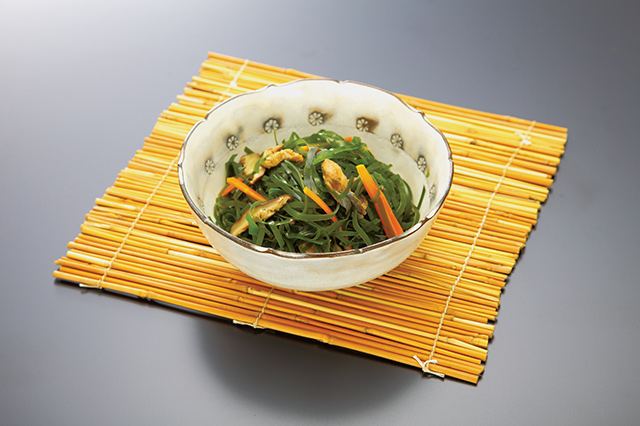
| Prefecture | Iwate (岩手県) |
|---|---|
| Region | Tohoku |
| Japanese name | すき昆布の煮物(すきこんぶのにもの) |
| Reading | Sukikonbunonimono |
| Home area | Three-land coast. |
| Main ingredients | It's a lot of rice. It's a lot of rice. |
History and Origins
"Cyrus" is a process that has been ground and cut into sheets and dried by a young cloth found on the tri-land coast. About 44 years ago, in Japan, the main village around the coast began to grow and prepare silica, spreading throughout the county as a reserve food. A typical cloth has soft teeth because it uses young fabrics that don't draw back. The "salt of sauerkraut" was cooked by mixing the flour with a mixture of carrots and carrots. The taste of each home has been created, including the taste of small girls, the hunger of the poor, and the combination of the sea animals with the ocean goods. It's also a local food for the local village, which is a productive place, but it's regularly eaten in the countryside as home food, and it's rooted in a wide range.
When It Is Eaten
The dried "silence" is sold at supermarkets and elsewhere every season, so it is eaten daily at home. In recent years, new fabrics have become available in spring and have been treated as food for the season.
How It Is Eaten
Put it back in water, and cook it with a broth of oil, along with a thin piece of carrots or dried bread. In the home, the tools are different, and they can be compared to sea products, such as small girls, lame children, sheep, and jackals, as well as to sea products, such as fried sheep, and fried fish, and so on. Since soy sauce is heated once and is returned by water, it can be eaten, as well as salads. Soy sauce is prepared rather than quickly, and if you keep it cool, it will add flavor to it.
Recipe — Serves 10
Ingredients
- 1(40 g)700 g kelp (konbu)
- 4(20 g) dried shiitake mushrooms
- 80 g carrot
- 100 g) さばの焼き干し 半身分
- 2 aburaage (fried tofu pouch)
- 5 umeboshi (pickled plum)
- 1,800 ml water
- 8 tbsp soy sauce
- 4 tbsp mirin
- 5 tbsp sake
Method
- The sink is washed quickly with water, and then put 20 minutes into plenty of water, and then return it to the monkey and give it a rest.
- The dried bowl is quickly washed with water, soaked in a soft water for about 30 minutes, and then rescinded and cut into thin strips.
- I'll cut the carrots into pieces. We'll keep the dry sand loose, except for the bones and skin. The oil cooker will drain hot water and oil it out and cut it into half-sized pieces.
- Put water in a copper pot, fill it with silica and dry dishes, dip it in the lid and put it on the fire. When you get up, boil it in the middle, sometimes stir it up, and boil it up for about ten minutes until it leaves a bit of teeth on the cloth.
- I'm going to add a lot of wine, a lot of lentils, and a lot of soy sauce. If you are boiling again, add sweets, oil, plums, and lids, and sometimes stir them in the middle of the fire for about ten minutes. When it's cooked, remove the umbilical cord.
Dish data: Ministry of Agriculture, Forestry and Fisheries (MAFF), “Uchi no Kyodo Ryori” (Our Regional Cuisines) database, used under the Public Data License (PDL1.0); translated and adapted from the Japanese original.