Home / Toyama / Tororokonbunōnigiri
Tororokonbunōnigiri とろろ昆布のおにぎり
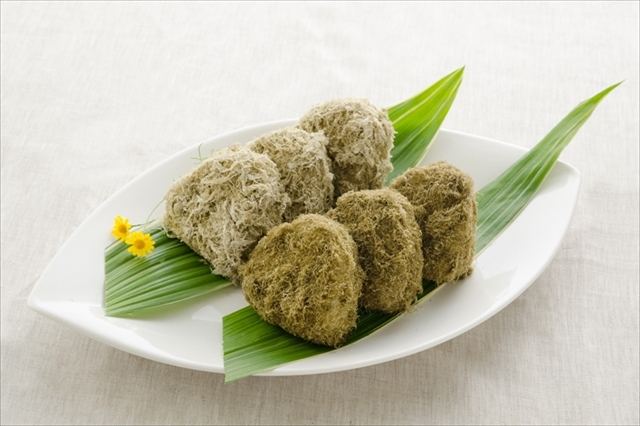
| Prefecture | Toyama (富山県) |
|---|---|
| Region | Chubu |
| Japanese name | とろろ昆布のおにぎり(とろろこんぶのおにぎり) |
| Reading | Tororokonbunōnigiri |
| Home area | All within the province. |
| Main ingredients | White and black ebony, rice. |
History and Origins
As for rice, it's the order of the people of Toyama Prefecture that wraps it around instead of seaweed. Toyama Prefecture has one of the highest consumptions in the whole country, but actually there is very little cloth in the state. The beginning of the culture of Sugiyama is due to the northerly ships that sailed the coast of Japan during the Edo. The Northert ship, which was transporting all the local products, was also a port of call (in the course of Tokuyama), and especially when large quantities of Hokkaido was purchased. It is also deeply related to the way many Toyama Prefecture peoples, who had emigrated to Hokkaido as pioneers during the Meiji era, and sent their relatives a bedcloth. Most of them still come from Hokkaido. The cloth is made by stacking up a few pieces of dough that have been soaked in vinegar and then hardening and cutting out its side. In the process of cutting it, it changes from black wax to white center wax. Toyama Prefecture unique black moles have a strong acidity and white alkaline has a modest taste and soft food. The fine balance of acidity and texture is strikingly balanced with white rice.
When It Is Eaten
In order to save long-term, the ice cloth is always kept in most homes. It's always made when people come together, not to mention their usual lunches. It's usually made when meetings, festivals, children's athletics, outings, and so on. It's also fascinating to be able to remain soft and soft in time, unlike the handful of seaweed.
How It Is Eaten
The cloth is both white and black, and when it is loosed, it is spread out on plates or laps. If you grab the rice pot and place it on the bowl, you will roll it around and make it cover the whole. It's the point to wrap it gently. Some people make a bowl of double cloth, besides some other material, such as umbilical cord.
Recipe
Ingredients
- 2 × 180 ml(300 g) cooked rice
- 30 g 黒とろろ
- 3 umeboshi (pickled plum)
- half a bottle
- a pinch salt
Method
- The black canvas is spread on a plate or paper, and the black cloth is spread without delay.
- I'll save the seeds for the rainy season and cut them to a small size.
- Move the cooked rice into the bowl and mix the salt equally.
- I put the materials in the middle and shape the bowl.
- I'll put a lot of black cloth on the surface of the bowl.
- To make sure that it's not wasted, the cloth will stick tightly together.
Dish data: Ministry of Agriculture, Forestry and Fisheries (MAFF), “Uchi no Kyodo Ryori” (Our Regional Cuisines) database, used under the Public Data License (PDL1.0); translated and adapted from the Japanese original.