31 8 かてそば
| Prefecture | Tochigi (栃木県) |
|---|---|
| Region | Kanto |
| Japanese name | かてそば |
| Home area | I'm sorry, I'm sorry. |
| Main ingredients | (Piano and wheat flour) |
History and Origins
The word "knit" here means "intensity." A local dish with a purpose to increase (intensibly adding goods and goods and so on). In wintertime, use of soft rice in the spring, add umbrellas and flavor to the flavor, and tell us that it has spread to the common people during the times of food shortages. About 40 years ago, growing rice in the city of Kauna, in a nearby store in the city, "The Little House" was made into a commercial product, and then more stores were being served. The "beside" is around the Kaunahara city, but "beside" has been established around Sano City and has reached the present time. In a study by the Ministry of Agriculture, Forestry and Fisheries, Tochigi Prefecture is third in production and is published and is also an essential food for daily events. Once, the area around the city was also a place of marijuana. The traditional method of "supposing" was prepared for harvesting after the harvest. At present, marijuana produces little, but it still grows around it, and is also used to produce more potatoes and is used as a "beauty" type.
When It Is Eaten
Tochigi Prefecture is also a breeding ground for the local people, and it's also a place where, in late autumn and early spring, you add a "beside" to it, and in winter, you add a "beyond" to the locals. There are also places where you eat a meal over the years.
How It Is Eaten
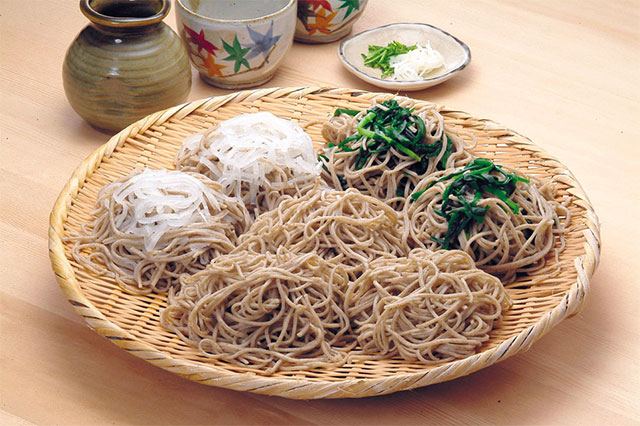
Add a little steam, not only increases, but also add flavor to the side and add flavor. In the case where you're not around, cut the bowl into about 10 centimeters long, peeled, and cut it into lines or a thousand. I'll take the hot water, put it in a bowl first, put it in a side, and I'll cook it with you, and keep it warm. If you have a loungy meal, you can put a bowl of rice in the hot water and boil it together and keep it cool, and there are ways of eating it, which you can do by boiling the underside separately, and then letting it float over your side like a topping. In separate cases, the hardness of the spot can be adjusted and eaten by a preference.
Recipe — Serves 4
Ingredients
- Mix: 350 g close
- Mix: 200–300 g daikon radish
- Mix: 350 g close
- Mix: 120 g garlic chives
- Mix: 900 ml soy sauce
- Mix: 140 g sugar
- Mix: 45 ml water
- 1 ※返しの出来上がりは
- Mix: 300 ml dashi stock
- Mix: 90 ml 返し
- Mix: 50–90 ml mirin (調整)
Method
- Thank you.
- I will cut it in a length of about ten centimeters, peel it, and draw it in a line with a thousand-pence sticker. (or hens)
- I'll take a good amount of hot water and put it in a bowl and put it in two or three minutes, and I'll put it in a bowl.
- I'll be back.
- Put a piece of rice in a full bowl of hot water, and a piece of rice in an easy-to-eat length, and boil it together for two or three minutes. I'll give it to you.
- I'll be back.
- Put sugar and water into the pan and boil it.
- I'll put it in a bowl, a bowl, or a bowl, and I'll put it in a cold and dark place for about a week.
- I'm sorry.
- I'll add some soup, return, garlic, and boil it quickly and cool. I'll adjust it with the juice for use.
Dish data: Ministry of Agriculture, Forestry and Fisheries (MAFF), “Uchi no Kyodo Ryori” (Our Regional Cuisines) database, used under the Public Data License (PDL1.0); translated and adapted from the Japanese original.