Home / Okayama / Mamakarinosuzuke
Mamakarinosuzuke ママカリの酢漬け
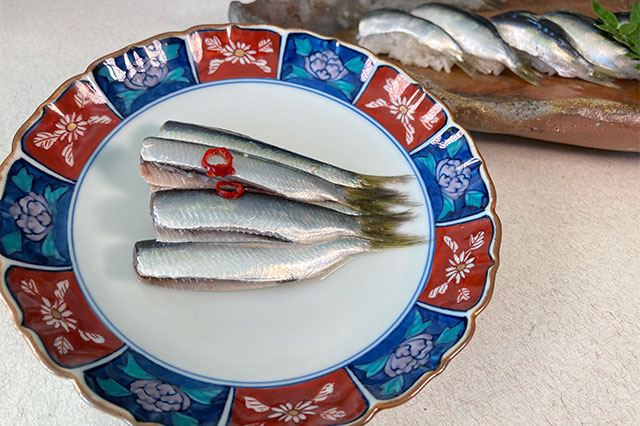
| Prefecture | Okayama (岡山県) |
|---|---|
| Region | Chugoku |
| Japanese name | ママカリの酢漬け(ままかりのすづけ) |
| Reading | Mamakarinosuzuke |
| Home area | Inland Sea Coast |
| Main ingredients | Momkari. |
History and Origins
Snacked with makari, commonly known as the native dish of Okayama Prefecture. "Mamakari" is a way of calling the Okayama area. In Kanto it's called a "stu." It's mainly taken in the Inland Sea, and it's about October in season, and it's supposed to be the most delicious. It's said to be delicious to go borrow from your mom's meal. The bones are stiff at the beginning, but they become softer in the vinegar, and they can be eaten to the point of perforation. The "hungry" is a dish that has been soaked in vinegar and has become a sushi or a sushi.
When It Is Eaten
Along with the "swallowing" dish, there is no shortage of festivals or family celebrations. The typical dish on the day of Hale in Okayama.
How It Is Eaten
I remove Momkari's head and go to the stomach and take her spine. I'll turn on the salt and leave it for about an hour. I'll mix sugar together and make sweet vinegar, wash the makaly with vinegar, and dip it into sweet vinegar. You may like it, but you can add gray hair.
Recipe — Serves 4
Ingredients
- 20 mamakari (sprat)
- Sweet vinegar: 1 cups vinegar
- Sweet vinegar: 2 tsp salt
- Sweet vinegar: 10cm dashi kelp
- Sweet vinegar: 1 cloves ginger
Method
- The makari takes scales, removes the head and intestines, opens her stomach and takes the spine. I'll set the salt for about an hour.
- I make sweets by adding vinegar, salt, soy sauce, peppers, sugars.
- (a little more than a pound of vinegar) and wash it and soak it in sweet vinegar.
Dish data: Ministry of Agriculture, Forestry and Fisheries (MAFF), “Uchi no Kyodo Ryori” (Our Regional Cuisines) database, used under the Public Data License (PDL1.0); translated and adapted from the Japanese original.