Aimaze あいまぜ
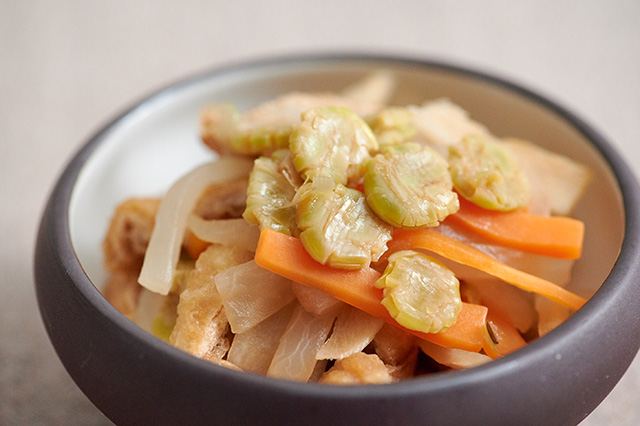
| Prefecture | Ishikawa (石川県) |
|---|---|
| Region | Chubu |
| Japanese name | あいまぜ |
| Home area | Faber Area |
| Main ingredients | It's not like you're going to have to do it. |
History and Origins
Three sides of the island are surrounded by the sea. The sticky soil represented by red soil gives the vegetables grown a unique flavor. The vegetables produced by using these windy soils are built into the "swifty vegetable." It is distributed by the "Student Vegetable Vegetables" by means of recognized criteria such as having a growth history of almost 30 years, making up organizations such as parties, spreading widely, and so on. (Singing) There are about 20 approved items, such as gold thread, etc.) In the lynx, where these vegetable plants are blessed, there were various native dishes with local vegetables. One of them is a vague. "Illumination" is a traditional dish that is eaten mainly in the way that people go. It's a stew centered around roots such as root roots and carrots. Since the vegetables used are in season on the land, the looks and tastes vary. A wide range of weather has been broken down and now it's coming through. It is one of the characteristics of this dish that brings community.
When It Is Eaten
It's a new month's meal or a new one that you can't miss on the day of Hare. When we have such a special occasion, we are in a hurry to cut into small pieces of root vegetables such as radishes and carrots and to make them. At present, it's not often done in the home on a daily basis, but it is often eaten during business events. It's often made in large quantities at a time, such as at an event.
How It Is Eaten
Cut all kinds of vegetables into three-centimeter slices, roasting and boiling in a pot. When the materials have become a bit swollen, add soy sauce and sugar before eating. If you add oil or anything, you will be able to taste the vegetables and juices and eat them better than they are. In some cases, physiobe is used for materials. It's either hot or delicious, but it's cold, and you can have it. A dish that is relatively well preserved, but nowadays it is finished lightly, and the temperature is much higher than it used to be, and the storage environment has changed, so it often eats in two to three days.
Recipe — Serves 4
Ingredients
- 20 g crushed soybeans
- 40 g burdock root
- 20 g aburaage (fried tofu pouch)
- 200 g daikon radish
- 20 g carrot
- 4 tbsp dark soy sauce (light soy sauce)
- 1 tbsp 1/2 mirin
- 1 tbsp 1/2 sake
- 1 tbsp 1/2 sugar
- 1 tbsp 1/2 vinegar
Method
- I'll soak the beans in water for a while. Your hair is bound to the water. Oiling is poured in hot water and oiled and cut into pieces.
- I'll cut the carrots into a slice and boil them quickly to keep the water in check.
- Put 1 in the pot, and add a taste for anything other than vinegar to make your teeth boil.
- I'll put the vinegar in after I stop the fire.
- Finally, add the two main roots to the carrots and mix them together.
Dish data: Ministry of Agriculture, Forestry and Fisheries (MAFF), “Uchi no Kyodo Ryori” (Our Regional Cuisines) database, used under the Public Data License (PDL1.0); translated and adapted from the Japanese original.