Amenoiogohan あめのいおご飯
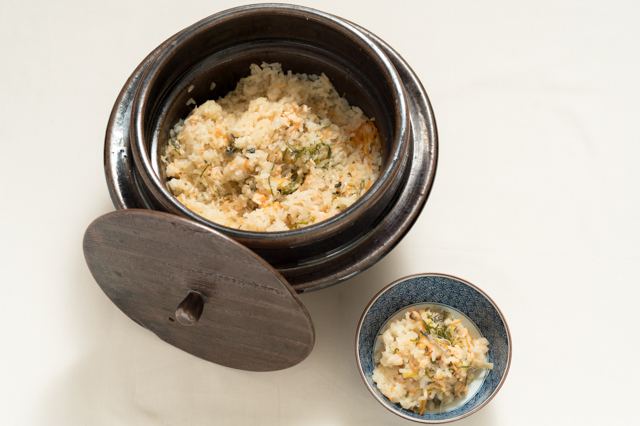
| Prefecture | Shiga (滋賀県) |
|---|---|
| Region | Kinki |
| Japanese name | あめのいおご飯(あめのいおごはん) |
| Reading | Amenoiogohan |
| Home area | All within the province. |
| Main ingredients | I'm not sure if you'd like to do it, or if you'd like to. |
History and Origins
"Your rice" is a bowl of Bywamas, the native species of Lake Sakura. "The fish of the Rain" is "The Fish of the Rain." When the river rains, it is an alias for the biwamus that goes back for eggs when it rains. The whole "Dai's Food" meal, with its spring - bearing biwamas, was chosen in the tenth year of its maturity as a Shiga Prefecture selection of non-critic culture, "The Food and Agriculture of the Lantern." There are many kinds of materials, such as cutting biwamus in different areas, and many kinds of items, such as carrots, mushrooms, oiling and so on. There are differences between lakes in eastern, western and northern lakes, lakes and lakes. Also, in the lake South and west, they call it "feeding" and in the lake north. Biwamus was a "reveal fish" that was not easily caught by old fishing equipment, since it lived deep in the lake. It was at this time that the precious chance of seeing the imaginary fish and the people of the villages came back to the river for eggs in fall. It's said that in fall biwamus is a cooked dish designed to taste better because of its fat.
When It Is Eaten
It's usually eaten in fall to use the biwamas with children who have laid eggs in autumn.
How It Is Eaten
The "Dai's Food" was made in a large pot, representing the fall of Shiga Prefecture. When large crowds gathered together. When you cook in a large pot, do not put eggs out, put biwamus directly on the rice, and put a little oil and a little wine in it. When you cook up, lift the fish's head and lean and shake, only body and egg fall, leaving only head and bones. This body and eggs are mixed together in rice. It's a way of carving onions on top of it. In recent years, there has been widespread use of cutting and cutting methods. There is also a widespread way of cooking rice in the past year, using not only autumn but also frozen fires over the years.
Recipe — Serves 4
Ingredients
- 160 g() trout
- 2 × 180 ml(290 g) rice
- 35 ml soy sauce
- 1 tbsp mirin
- 1 tbsp sake
- Dashi: 2 cups water
- Dashi: 10cm kelp (konbu)
- 35 g carrot
- 35 g shiitake mushrooms
- 35 g green onion
Method
- We're going to put three down, except for the biwamus skin, the entrails and bones. After washing the rice, I'll have it cut.
- Put a piece of cloth on a small amount of water, put it on fire, and take it out immediately before boiling and prepare it for use.
- If you want to be carrots, cut into fine chops, cut your thumbs into small slices.
- (A half cup of sesame oil, lentils, wine, and cloth) in a pot, with a half cup of wine and a half of rice cooked in a medium fire, three minutes with a weak flame.) Keep the soup away, and add it at rice time.
- You can put rice in the rice cooker, and the remaining two bowls of rice, add 1 and 1/2 cups and 4 juices, and match the size of the rice cooker. On top of that, you can put carrots and rice on top of carrots and rice on the bottom of the loungy biwamus.
- When you're finished steaming, loosen the mass lightly, make sure you don't have any bones left, add a small-knit twist, and then mix them up. I'll throw the bow up.
More About Amenoiogohan
The food for the day is Shiga Prefecture. It's a bowl made from Bywamas, the native species of Lake Sakura.
Although the name may have some differences, the name is common in the use of the masmus caught in Lake Sung or Lake Sakura.
Limited eating culture
Mainly eaten in the vicinity of Lake Shizura, where the Fukuoka River in the west, Ishida, Injitaka, sister in the north, and Kiogawa in the south of the lake, and fishing villages in the vicinity of the Lake Kio.
The Bawamas, which sailed the river from Lake Sakura during their fall egg season, have a nickname for "The Fish of Rain." Biwamus in Lake Sakura is eaten by sashimi, salted, boiled, boiled, boiled, and chewing gums. However, during the egg season, the fat falls because of the transfer of nutrients to the egg ovum. However, in cooking rice, the soft and delicate qualities of Biwamus do not deteriorate by cooking. It's usually difficult for the villagers to catch the Bawamas that live deep in the lake, but at the time of their hatching, it's possible to fish with nets and traps. Also, since the timing of the harvest of the new eggs is the season of the new harvest, in the rurals it is also valuable as a seasonal meeting, and in large bowls, called the Yinjiu, that are now almost no longer used, it was prepared in a bowl and prepared in a fresh manner.
In 1998, Shiga Prefecture selection was selected as "The Food and Agriculture of Koji."
Cook and taste.
When you cook in a large bowl, you will not release the eggs, but you will put the baby still in the rice, and you will add soy sauce and wine to it. When you cook up and shake the head, only your body and eggs drop, so you mix the food with the rest of your head and bones and put on the chopped onions. This is a Japanese-wide method of cooking fish rice so that you can be represented in a bowl. In many parts of Japan, the hardness of water is moderate water, and if fish and rice are cooked in the same pot at the same time, the taste ingredient will pass through the water to the whole meal. Even in Biwamus, it is more delicious to cook whole rice in a large pot. In recent years, since cooking in large bowls is not commercial and practical, there has been a widespread use of cuts.
The Present
Although it was native food, rooted in the geographical factors around Lake Sung, as shown above, the eating habits in the rurals have changed so much that modern rural families have little. Meanwhile, Biwamas has been caught as a source of fishing for the lake, so it has been sold as a menu for local restaurants, resorts and other non-food industries, and has continued to exist.
Text adapted and translated from the Japanese Wikipedia article あめのいおご飯 by its contributors, licensed CC BY-SA 4.0.
Dish data: Ministry of Agriculture, Forestry and Fisheries (MAFF), “Uchi no Kyodo Ryori” (Our Regional Cuisines) database, used under the Public Data License (PDL1.0); translated and adapted from the Japanese original.