Yōkan 丁稚羊羹
| Prefecture | Shiga (滋賀県) |
|---|---|
| Region | Kinki |
| Japanese name | 丁稚羊羹(でっちようかん) |
| Reading | Detchiyōkan |
| Home area | All within the province. |
| Main ingredients | It's called the "Spain of the World." |
History and Origins
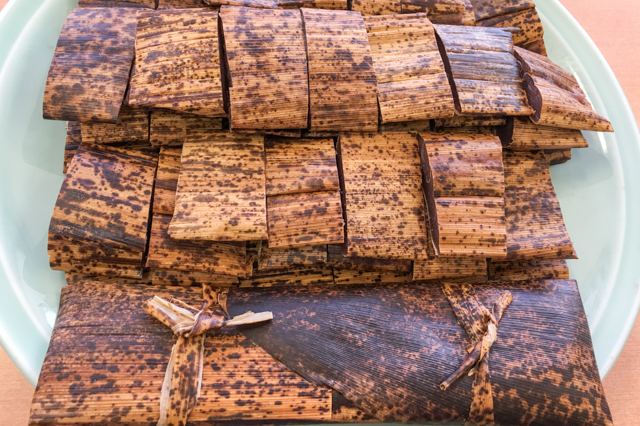
"Syoi Koyumi is a unique product of Shiga Prefecture from a sheep that is made of peas and sugar mixed with flour or flour. Also characteristic of the bark of the sheep is the bark of the bamboo, and the scent of the freshly scented bamboo and the feeling of the touch and the simple taste of the sheep are popular. It is said that he used cold weather when he made sheep's clothing, but in an open cove it was difficult to obtain, and instead of cold, he used flour to tie them together. But in the music section, "Khidashiji" is "The Shizushi" which is a water goat that is hardened in the cold sky. There are various theories that "symbol" is a word that is used in the candy shop language, so that when you combine beans with flour together, you get to be called "scarp" in Japanese. Even so, Kichiichi became a merchant in the future. This Shiga Prefecture product, "Kinjiujiu" is selected in the year 1998, as Shiga Prefecture un-elected civil culture, "The Food and Agriculture of Kaji."
When It Is Eaten
Even if the affordable price is a local product, there are manufacturers in various places and food can be eaten for the year.
How It Is Eaten
The flour is carefully folded together in the pea's tadpole. Put a cloth on the bamboo leather that was wet with water and fold it. When you wrap a piece of cloth in it, you pull it in a string, put it in a steamer and steam it. If you take it out of the steamer, it'll be light, heavy, and flat while it's hot.
Recipe — Serves 4
Ingredients
- 400 g smooth bean paste
- 80 g wheat flour
- 50 ml water
- 4 bamboo sheath
Method
- The bamboo skin is soaked in water.
- Add small amounts of water to the pea bowl (about 50 ml) and make a soft pan.
- I'll put flour in a pot and mix it well and divide it into four pieces.
- After we have wiped the water from the bamboo, we rip the edges of the skin apart for string and place a quarter of the cloth in the center of the skin.
- I wrap the bamboo leather in pieces, wrap the dough in them, and tie them with string.
- A cloth wrapped in bamboo bark is placed in a steamer and then boiled for about 15 minutes after boiling.
- If it is steamed, I'll put a heavy stone on it while it's hot and flat.
- After it's cold, the sheep are cut and served.
More About Yōkan
Yōkan (羊羹) is a wagashi made of red bean paste, agar, and sugar. It is usually sold in a block form, and eaten in slices. There are two main types: neri yōkan and mizu yōkan. Mizu means "water", and indicates that it is made with more water than usual. Mizu yōkan is usually chilled and eaten in the summer, however in Fukui prefecture it is customarily eaten in winter.
Types
Although yōkan found in Japan and abroad is typically made with red bean paste, yōkan made from white kidney bean paste (しろあん, 白餡, shiro an) is also relatively common. This type of yōkan is milky and translucent with a much milder flavour than that made of red bean paste. As such, it can be effectively flavoured and coloured by using green tea powder.
Yōkan may also contain chopped chestnuts, persimmons, whole sweetened azuki beans, figs, and sweet potato (imo yōkan), among other additions. Sugar can also be replaced with honey, dark brown sugar, or molasses to alter the taste of the yōkan produced. There is also shio yōkan, which uses small amounts of salt.
History
During the Kamakura period (1185–1333), Japanese Buddhist monks who studied in the Song dynasty brought the tea culture to Japan, and the custom of eating confections with tea began in Japan. The monks also introduced tenshin (点心, dim sum), a light meal, and the history book Teikin ōrai (庭訓往来) mentions udon (饂飩), manjū (饅頭), and yōkan (羊羹) as tenshin (点心). However, the manjū and yōkan brought to Japan by the monks were not sweets as we know them today, but were prepared in a completely different way.
Yōkan comes from the Chinese word yang geng (羊羹 "sheep geng"), which is a type of mutton soup. But since there was no custom of eating animal meat in Japan, the Japanese replaced the meat with a paste made of kneaded barley or azuki bean flour. Later, the soup was removed and replaced with a pasty confection made of barley or azuki bean flour. Finally, around 1800, during the Edo period (1603–1868), 500 years later, yōkan became what it is today.
The invention of kanten (寒天, agar) in the 1600s was essential to the birth of modern yokan. Later, the kanten invented in Japan was introduced to Manchuria, Korea and Taiwan.
Yōkan is used as an ingredient in other foods, such as "Siberia", a type of castella cake.
Text adapted from the English Wikipedia article Yōkan by its contributors, licensed CC BY-SA 4.0.
Dish data: Ministry of Agriculture, Forestry and Fisheries (MAFF), “Uchi no Kyodo Ryori” (Our Regional Cuisines) database, used under the Public Data License (PDL1.0); translated and adapted from the Japanese original.