Buridaikon ぶり大根
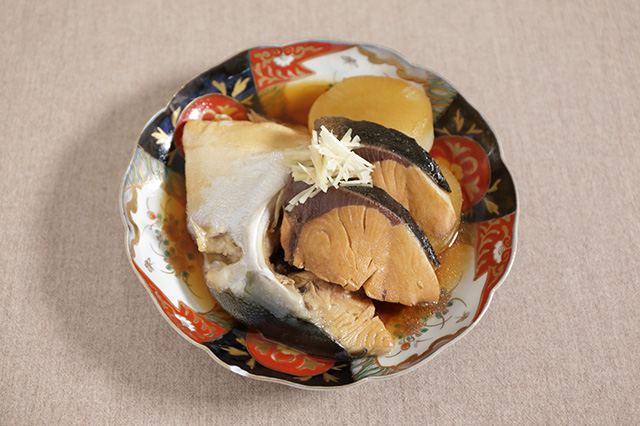
| Prefecture | Kagoshima (鹿児島県) |
|---|---|
| Region | Kyushu & Okinawa |
| Japanese name | ぶり大根(ぶりだいこん) |
| Reading | Buridaikon |
| Home area | All within the province. |
| Main ingredients | Hi, Hi, Bla. |
History and Origins
The Big Roots, a product of the Kagoshima Prefecture, are known as winter's standard dish. It's the winter's regular dish where the brine flavor and the sugar root are combined. The Kagoshima Prefecture, high in the Gulf and the caterpillars of Bry's young fish, is the country's leading producer. In Nagashima, Japan's largest productive country, there is also a strict control measure that has been set up in Nagashima, Japan. In cities, deerhouses, etc.) In the 1950s, in the Pow water city, there was a rapid growth in the prefectures, and the local beef fishing union raised Bry was built up as "The Great General." Although "Yibu" is often made of common root in the home, it is even more delicious when you make it from the local cherry root, Sakushima root. Sakushima's heart is so sweet that he is so delicate and soft and so hard to boil that he will go to the stew. Besides such ways of enjoying yourself as "sing," "snap root," "snack root," and "kita" - as well as the wide variety of dishes, such as salads and cucumbers.
When It Is Eaten
A farmbills can be obtained throughout the year, but natural ones can be obtained in the winter. In the past, they were known as cold burlys, they were successful fish, and they were used as a brand-new product for New Year's food. Sakushima Obashima's "major root" using Sakushima's Sakura at this time is outstanding because it is harvested in late December and February and is distributed to the market.
How It Is Eaten
The main root is cut to cover the surface and put a hidden knife in order to make it taste good. Bligh boils in hot water, takes blood. I'll put some wine in the pot, or candy in the pot, Bligh, and a large root in the pot, and then I'll add a taste to it and boil it. I'll have a slice of pepper.
Recipe
Ingredients
- 50 g×4 slices yellowtail fillets
- 200 g yellowtail
- 500 g daikon radish
- 50 g ginger
- 50 ml sake
- Mix: 2–3 tbsp dark soy sauce
- Mix: 2 tbsp light soy sauce
- Mix: 4–5 tbsp mirin
- Mix: sugar, to taste
Method
- The main root is a three-cm thick ring that will cover the face and then pour a shallow cut on one side of the cross. I'll cut half of the ginger and cut the rest into pieces.
- Brie washs water, boils hot water, and takes blood and stains.
- Put root, blithe, smudged pepper in the pot, add water to the pot, and boil with a fire, boil it, boil it, and cook it for about 15 minutes.
- Add a flavor to the A flavor, and cook it in a weak fire until it tastes good. If it's better to be sweet, add sugar in your preference. After the evening, the soup will boil on the main root and it will taste even better.
- I'll hang them on a vessel and wear a slice of pepper.
More About Buridaikon
The main root is Japanese native dish, which is boiled in soy sauce along with the baobu. The winter meal, the season when the fat comes on the burri. In 2007, in the rural villages national food race, it was chosen as a native food of Toyama Prefecture. Today it is a well-known dish eaten throughout Japan.
Example of how to make
Take the bri scales, boil the hot water, cool the water and remove the blood. The radish is cut and peeled, and the rice lye is boiled for about an hour. Put the bludgeon and radish in the pot, and cook it until the main roots have a good amount of soy sauce and sugar.
There are other variations in the process, such as those that don't use the root underside, that heat them in microwave ovens and replace them with low-heated ones, or those that wave salt on the brine to remove odors or those that cool with boiling water. Also, in the Toyama Prefecture Ice Fair, some dishes are boiled in a tastey sauce instead of a sesame oil.
Reference Image
Text adapted and translated from the Japanese Wikipedia article ぶり大根 by its contributors, licensed CC BY-SA 4.0.
Dish data: Ministry of Agriculture, Forestry and Fisheries (MAFF), “Uchi no Kyodo Ryori” (Our Regional Cuisines) database, used under the Public Data License (PDL1.0); translated and adapted from the Japanese original.