Home / Kochi / Himeichitomikannokarashini
Himeichitomikannokarashini ひめいちとみかんの辛子煮
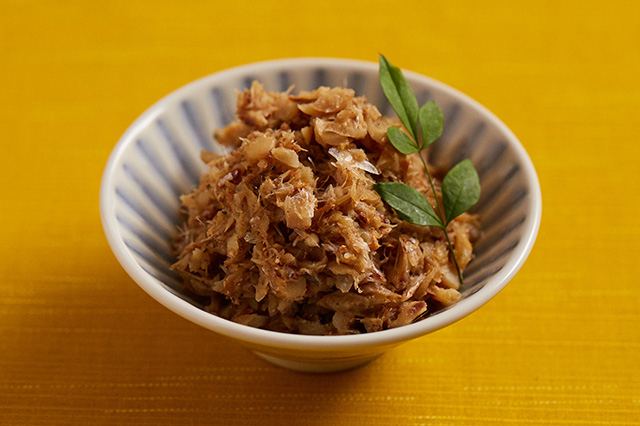
| Prefecture | Kochi (高知県) |
|---|---|
| Region | Shikoku |
| Japanese name | ひめいちとみかんの辛子煮(ひめいちとみかんのからしに) |
| Reading | Himeichitomikannokarashini |
| Home area | All within the province. |
| Main ingredients | I don't know if you've ever heard of it. |
History and Origins
I'm going to show you some of the fish that are in the small net of the bay. The official name is the barnacle. It's cheap, and it's a fish often used in place of Thailand. The name "asnar" and "asnaro" by some areas is because it means "to come tomorrow." A chrysanthemum has a white skin, but it doesn't look sour, and it tastes elegant. So it's used in a wide range of dishes, such as salt, dry dishes, and bodies. Especially small ones are often turned into "chie soup" along with garlic.
When It Is Eaten
It's the fall and winter season. It is sometimes used as a substitute for Thailand for Hale's day cooking. Since Ishii can eat both head and bones, in the early days when it was available cheaply, the "chie soup" was often eaten because it was eaten. It's said that Himichi, who comes to the market by trade, is seldom in the dark, and that he spent days in a fire bowl. If you don't have pepper juice to make it safe for preservation, you can make lots of dinners at the end of the year. It was also a lunch table. Now, it's not easy to get raw Hemaich, and it's less likely that you will be able to make it at home.
How It Is Eaten
I'll boil the lounged himench with the peppers that I took from the seeds and cook it in a weak fire. I'll cut it into pieces and add the skin and flavor to the cans that I took overnight. If you boil it in a weak fire until the juice runs out, it will cook up. The soft aroma of citrus and the fresh flavor of peppers makes an accent. It is said that boiling with hot water will soften the bones of the himati. For example, cook without taking offense, each household has different recipes and tastes. The personality of the recipe also manifests itself in regional differences. In the Kanumi region, the carnivores are used in the carp. You can also add a leafy leaf in the tasada area. The fibers of the leafy fibers will grow back to their normal texture. In Japan, we use half as much lentils and green pepper with leaves.
Recipe
Ingredients
- 500 g ヒメイチ
- 4 tbsp soy sauce
- 2 tbsp vinegar
- 4 tbsp sugar
- 2 chili pepper
- 2 tbsp sake
- 1 yuzu peel
Method
- Ikees take scales and entrails and place them in a pot, and put enough water and vinegar and peppers from the seeds on fire.
- If the bones become sore, add a cut-and-a-half-percent to the skin.
- If the juice is low, I'll rub my bones and body in a bowl while it's hot.
Dish data: Ministry of Agriculture, Forestry and Fisheries (MAFF), “Uchi no Kyodo Ryori” (Our Regional Cuisines) database, used under the Public Data License (PDL1.0); translated and adapted from the Japanese original.