Koikoku 鯉こく
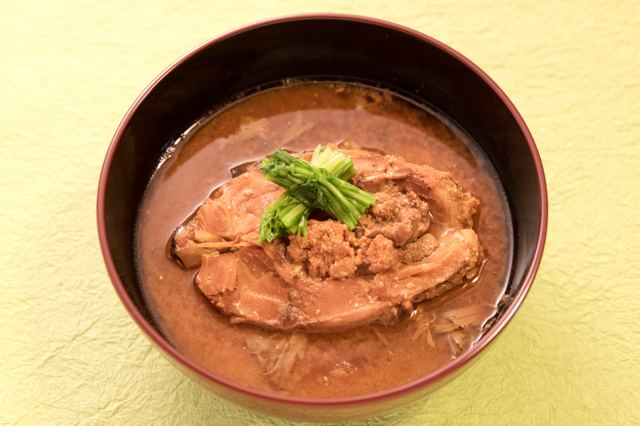
| Prefecture | Nagano (長野県) |
|---|---|
| Region | Chubu |
| Japanese name | 鯉こく(こいこく) |
| Reading | Koikoku |
| Home area | Sakura City. |
| Main ingredients | Koi, rice, rice. |
History and Origins
Sakura City, located in east Nagano Prefecture, is a difficult, two-breasted saga, with a rice crop of rice paddies. It is said that when Iwai's dresser and Miyagi right guard took them back from Osaka in the year of the fall of the year, the guardian of Iwamura's guardian, Iwamura, returned from Osaka, "put Sakura to the Sakura-gi Gate and put it to the Seven-Left Gate of Shiragi and to raise its crops." After 5 years, when it became easier to obtain mechanical thread and silk, it made it possible for koi to produce mass for feed, so that farming could grow rapidly, and the name of Sakura became known throughout the country. Although times have gone by, food habits change, and the spread of pesticides have gradually destroyed the food supply in Sakura City, the efforts to restore Sabina have begun to be made to restore Sabina by the spread and counter-reconciation of the crop crop growing in recent years. Usually, Koi is shipped in two years, but Sakura is characterized by three years of growing to the size of food. The cold water in the river makes the cucumber so tight that it has a moderate amount of fat. The "Kinji" that comes to Sakura City is a boldly cut - and boiled soup that is essential for New Year's in the Sa Godji area. On New Year's Day, on the 6th of January, when President Sakushi's father, Sekiya's father, Sekiya's Kosaka, lived for the last eight years, he invited the Iseshima Master of the Iseshima Order to his residence and began eating "singing" in New Year. The "Salong Soy sauce" that has been cooked in sweet soup is a common dish in Sasalong and is tasty when it has a good fat paste. Koko's body is empty and dry, fat, and a good juice comes from Ara. Koi is often thought of as a mud-like smell, but Sakura's growing up in the clean streams is delicious, but it's also delicious, and it's frozen with cold water, and it's good for a long time.
When It Is Eaten
Koi has become a fish that can't be held for the wedding feast of the mountain country. It's often eaten on New Year's Eve and is thought to be "Let's stay healthy for a year without getting sick."
How It Is Eaten
I'm going to cut the koi in bold, and I'm going to cook it with a sauce. You can't put sugar in the taste bowl, you can't take the scales of the koi, you can't make them in different areas and homes. You can put on the powder by your choice.
Recipe — Serves 6
Ingredients
- 5 コイの輪切り
- 1 tsp sugar
- 100 ml sake
- 100 g miso
- 20 g cooked rice
- 1500–2000 ml water
Method
- Cut the condensation bowl into a slice and will serve four or five minutes in boiling water. When you expose the white one to water, you take it.
- I'll put a piece of the rice under the pot, and I'll put wine and water in it.
- When you boil it in a strong fire and start boiling it, you'll carefully take the pot away. Don't take the oil from the flavor.
- After I've finished taking the pot, I'll burn it in half a pot so the juice doesn't get dirty. I'll add all the sugar and 1/3 of the taste and boil it to a boil. When you cook a small amount of rice and rice well in a bowl, mix it in and boil it for three hours.
- I like to add to it, or tofu, or frozen tofu, or tofu, and to taste it while melting the remaining taste buds. Also, after placing it on a bowl, you can shake the powdered pile and boil it as you like.
- If you add more juice, you will get more "crust" than the population.
More About Koikoku
The soup is cooked with yuzu sauce. The pepper is a soup made from a tastey juice, and the pepper is a type of this rich substance. During the Edo, it was called "sing," "soy sauce," "soy sauce" and "snap rice."
Description
It was made not only in the Edo but also in the seagulls, funas, humps, sunfish, and other wild birds, and it was cooked in a thin bowl made of a thick - smelling fish. After the Edo, the rich soil has almost disappeared, and only the stamen with the raw materials survive to date.
There are many places in Japan where important proteins and nutrients were used, where fish were difficult to obtain, and which have been passed on as food customs throughout Japan since the 2000 ' s. Snacks are often eaten in expectation of improving the production of breast milk after delivery.
For example, in Hiroshima Prefecture 3) there is a ritual of making bowl dishes for people who are friendly and sharing their feelings with them and still being observed.
Text adapted and translated from the Japanese Wikipedia article 鯉こく by its contributors, licensed CC BY-SA 4.0.
Dish data: Ministry of Agriculture, Forestry and Fisheries (MAFF), “Uchi no Kyodo Ryori” (Our Regional Cuisines) database, used under the Public Data License (PDL1.0); translated and adapted from the Japanese original.