Matsutakegohan 松茸ごはん
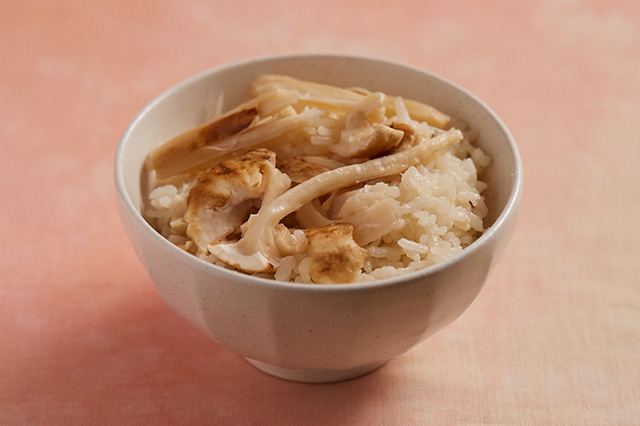
| Prefecture | Kyoto (京都府) |
|---|---|
| Region | Kinki |
| Japanese name | 松茸ごはん(まつたけごはん) |
| Reading | Matsutakegohan |
| Home area | South China, Central and Lower China. |
| Main ingredients | I'm not sure if I'm going to be able to do that. |
History and Origins
In the southern part of the country, in the southern part of the country, in the southern part of the country, in the central part of China, and in Fukuyama, Fukuyama, the production is growing very well. This area's pine is passed through as a "swing pine" and is characterized by scented and elastic teeth. It is said that the smell is particularly good and that shortly after harvest the car that loaded the rice crop was filled with a rich smell. The mountain castle area, located in southern Kyoto Prefecture, is also made of chrysanthemum, which is also distributed to the market at the Mountain castle. It is said that taste and taste are no less than a daisy pine. Prewar, the amount of congealed rice produced annually, which was more than 1,200 tons, has been reduced to a few tons of production in recent years. One reason for the decline is the change in lifestyles due to an advanced economic growth. Once you start using electricity, oil, propane, and so on, pine branches will not be used as fuel, and pine forests will grow. A pine that originally preferred dry ground makes it difficult to grow in pine forests where wood and weeds grow. Moreover, the damage to pine insects in recent years caused massive pine death, which has led to a reduction in production. The artificial growth of pines is not established in modern times, but in order to encourage them to develop, they need to get mountains and pine trees and grow up. In this way, the Japanese government will be able to provide for the environment in many parts of the country. Up till now, there has been a growing environment, such as deforesting and decomposing of sub-soil trees called Kyoto methods. The Kyoto pine plant is a highly prized food item. In the fall when the time comes, the money will be given to you by the payers and the customer.
When It Is Eaten
From September until early November. It's called "creature" and "open" from a youth's early days. It's said that the hotly scented "open" is good. Foods with pines are eaten mainly by raw rice or rice, but sometimes they are made in homes near where they are grown.
How It Is Eaten
The thinly cut pines are boiled with rice and citrus juice before eating. It's nice to see three leaves and so forth for the finishing touches.
Recipe — Serves 4
Ingredients
- 3 cups rice
- 100 g matsuhiko
- Mix: 3 tbsp light soy sauce
- Mix: 1 tbsp sake
Method
- Wash your rice and keep it on for less than half an hour.
- Without washing the pines, the surface is wiped with wet, stiffly pressed quintessence. I'll cut it off like a pencil. If you have dirt or worms attached, wash lightly in thin salt water.
- Put rice, rice, rice, and rice in the rice bowl.
Dish data: Ministry of Agriculture, Forestry and Fisheries (MAFF), “Uchi no Kyodo Ryori” (Our Regional Cuisines) database, used under the Public Data License (PDL1.0); translated and adapted from the Japanese original.