Obiten おび天
| Prefecture | Miyazaki (宮崎県) |
|---|---|
| Region | Kyushu & Okinawa |
| Japanese name | おび天(おびてん) |
| Reading | Obiten |
| Home area | Kumiko |
| Main ingredients | I'm not sure if you're going to be able to do that. |
History and Origins
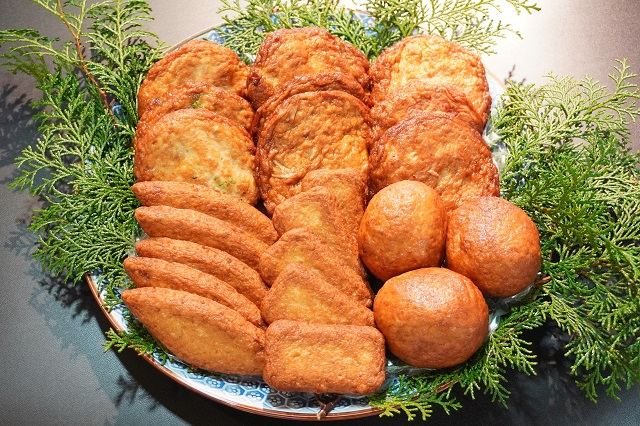
The Miyazaki Prefecture is a local dish from the Miyazaki Prefecture region, and a fish-smealed product. It's classified as fried pepper. It's a dish that was thought out by the people during the Edo, which was a consecration. It is thought that the "Skikiki" with taste and black sugar was born in the background of soy sauce, centered around immigrants from the southwest, and the growth of corn in the middle of the 19th century. I'll make a big fish in the coastal waters of the sea, such as the Eagle, the Aji, the Sierra, the Tuba, the Tubhua, and the Sa 主義, and the whole thing, mix it with tofu, add to taste and oil and black sugar. It looks like a sushi, but because of the tofu in it, it's soft, softer food, a little sweeter, and has a unique taste. We usually eat it without being cooked secondaryly and so on. There are restaurants in the Chingangji district that provide "Singo"'s regular meal and that allow you to eat fried.
When It Is Eaten
They are eaten daily as a rule throughout the year. It's also introduced to such activities as rice planting, rice harvesting, athletics and so on. You can also eat a restaurant in the Kasuke-dono.
How It Is Eaten
I'll lower the fish, remove the bones, pick up the bone, cut it lightly, and use the water-sniffed tofu and stew. It's not only when you have eggs and flavors, but also when you like them, it's fried with oil. The taste of the native cicadas from the Edo is delicious, but it can be fried and eaten as well as the sweets of black sugar.
Recipe
Ingredients
- 150 g トビウオ (正味)
- 100 g firm tofu
- 8 g ginger
- 1/2 egg
- as needed vegetable oil
- Mix: 2.5 g salt
- Mix: 18 g soy sauce
- Mix: 9 g miso
- Mix: 18 g mirin
- Mix: 30 g sugar
Method
- The fish fall on three pieces, remove their bones, and strike lightly on the board.
- The tofu is wrapped in a quintessence, which makes it watery.
- I'll cut the ginger into pieces.
- Put the tofu in the dish and then rub it well, add fish, add eggs, flavor A, and taste it.
- It's faster than the mid-center, and it'll float slowly with the low oil you like.
- Add your favorite vegetable, such as mushrooms, will be delicious.
More About Obiten
The cochlea is a traditional dish from the Miyazaki Prefecture region of Nanjo's district and is a meat-snap product. Some sources claim to be unique. However, unlike the usual farts, it's a catch that doesn't wear clothing. It's classified as fried pepper.
It is written in the ancient sky, and this is the registration mark of the original source's site. There are many different kinds of products sold, such as red peppers and gobous.
Overview
It's a dish prepared by the people during the time of the Edo, which was a connoisseur. It is believed that the citrus, which uses taste buds in many areas around the Chrysanthemum, was born in the context of the early 19th century, with the growth of the soybeans at the center of the Southwest islands.
I'll make them with a taste of tofu, a sugar, and black sugar. It looks like a sushi, but because of the tofu in it, it's soft, softer food, a little sweeter, and has a unique taste. We usually eat it without being cooked secondaryly and so on. There are restaurants in Ch'in, where there is a cinnaise diet, and you can appreciate freshly fried chrysanthemums.
When the fish are cooked with tofu and sugar mixed with tofu, the products similar to the citrus are now sold nationally. These are different from chrysanthemums, which are used mainly for seed and so on.
Text adapted and translated from the Japanese Wikipedia article 飫肥天 by its contributors, licensed CC BY-SA 4.0.
Dish data: Ministry of Agriculture, Forestry and Fisheries (MAFF), “Uchi no Kyodo Ryori” (Our Regional Cuisines) database, used under the Public Data License (PDL1.0); translated and adapted from the Japanese original.