Senzanki せんざんき
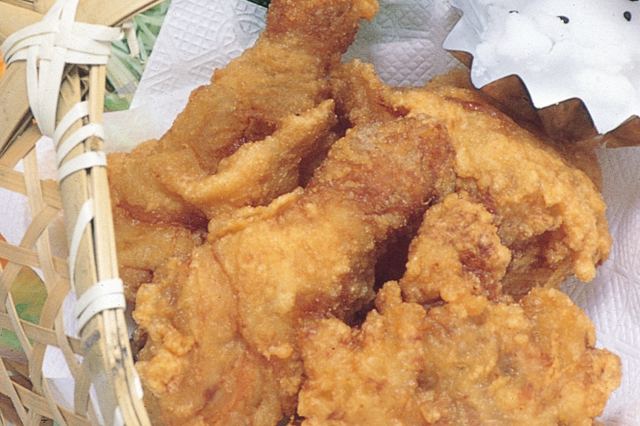
| Prefecture | Ehime (愛媛県) |
|---|---|
| Region | Shikoku |
| Japanese name | せんざんき |
| Home area | East Forecast |
| Main ingredients | (Whistling chicken bone) |
History and Origins
The soup is a native dish for the Japanese Shogunji, where chicken is grown. It is said to have begun with fried meat from various parts of the chicken, catching the plywoods in the nearby mountains during the Edo. It was about 300 years ago, and no details have been found in literature history. There are various theories that have come to be called "striking" because of the use of chicken, but that the whole chicken is cut like a thousand. By raising all the bones, the taste from the bone and the taste from the pre-packaged undergarments are further soaked in heat and are supported by a dense flavor of food that is whittled. Now there are shops in the area that have become a shop for "shoes" shortly after the war. They say that long lines of snakes can be set up in this store to eat "snacks" and that since this time it has been said that there has been a "sniffing" in the healing area.
When It Is Eaten
When it comes to celebrations and other activities, it's always on the table. From when relatives and friends gather together, they are eaten in every scene, from athletics, trips, and everyday lunches to the year.
How It Is Eaten
I cut a young chicken's bones into a small slice, and mix a bowl with a bowl of sieve oil, wine, soup and pepper, and then mix it with a young chicken. I'll heat the oil in the middle and put on a piece of flour and fried it. What's different from the common pepper is that "shoe" is to lift chicken with bone.
Recipe — Serves 4
Ingredients
- 600 g 若鶏の骨つき
- 1 tbsp1/2 light soy sauce
- 1 tbsp1/2 sake
- a pinch ginger juice
- a pinch pepper
- potato starch, to taste
- a pinch grated garlic
Method
- I'll cut the bone of a young chicken into a small cut.
- A bowl can be made to taste like a bowl of sieve, soy sauce, candy, pepper, and garlic mixed together, and a bowl of garlic and a bowl of garlic can be used for 20 minutes.
- I'll heat the oil in the middle and put a piece of flour in the two.
More About Senzanki
It is a native dish of Ehime Prefecture, east of Japan, where chicken is grown. It is said to have begun with fried food, with boned meat from various parts of the chicken, during the Edo and during the time of the near-site quads, to capture and fry them. Now chicken is used.
The "Schinji" that was offered at the store in Isezo is now in the store. It's a "sniff." It's a "sniff."
Cooking.
Generally speaking, citrus oil, wine, ginger and garlic are poured down the juices, and they are soaked with bone and meat to add a bottom flavor. The fried flour is added to the egg with a piece of flour. It is carefully packed and then fried with oil. The taste in the taste of the seasonings, by taste, can be added to the garlic or sugar.
By raising all the bones, the condensation from the bones and the prearranged blubber is supported by the heat and the dense flavor of the food that has been whittled.
Origins
There are various versions of the phrase that came to be called "a thousand-stab," which means "scrolled" and "crushed" and "creeping" meaning "creeping from a chicken's bone. "
The relationship between Hokkaido's Zaggi and the stalagmite is not determined.
Text adapted and translated from the Japanese Wikipedia article せんざんき by its contributors, licensed CC BY-SA 4.0.
Dish data: Ministry of Agriculture, Forestry and Fisheries (MAFF), “Uchi no Kyodo Ryori” (Our Regional Cuisines) database, used under the Public Data License (PDL1.0); translated and adapted from the Japanese original.