Shoyumame しょうゆ豆
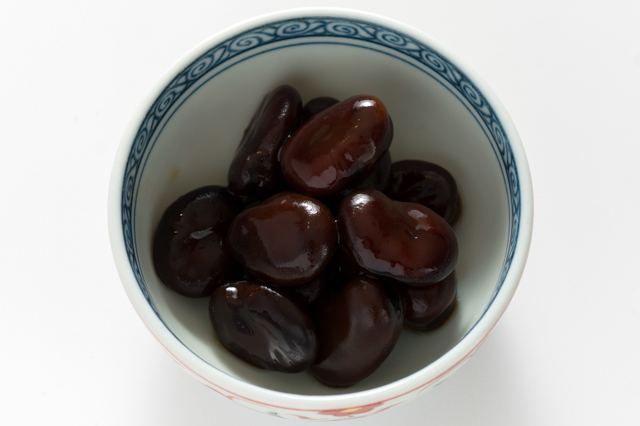
| Prefecture | Kagawa (香川県) |
|---|---|
| Region | Shikoku |
| Japanese name | しょうゆ豆(しょうゆまめ) |
| Reading | Shōyumame |
| Home area | All within the province. |
| Main ingredients | Dried bean, soy sauce. |
History and Origins
The dried bean is roasted and, while it's hot, it's swallowed in a taste juice mixed with soy sauce, sugar and pepper. Unlike boiled beans, you can roast them before they are soaked in soy sauce, and if you bite lightly, you can enjoy the unique sense of food that you can put in your mouth. It is believed that the Soybeans began in the Edo era. Its origin is the belief that the island is the home of a little bean that was born during the period of the period of the writing, and that a mustard bean, which was roasting to greet the pilgrims who visited it, would roll into a pot of oil nearby, and later eat the beans and see how delicious the fragrance of the delicious beans and the oil were. The growing of mustard beans has spread throughout Japan since the Meiji era. Since Kagawa Prefecture is rich in mild climate and is the best land to grow mustard, farmers are now able to produce rice and are now one of the special vegetables. The old "yew beans" used the form of "praiseful length" but the dried bean, now used as a raw ingredient for "yaki", is mostly imported.
When It Is Eaten
It's been eaten throughout the year in homes and restaurants as a regular vegetable or a liquor dish. There are other families that eat in a roast meal instead of black beans. In the past, farmers everywhere grew their annual crop of mustard beans to make rice. They made "Izu beans" as a regular vegetable. It was also important to preserve and to be a local dish for various activities in the community.
How It Is Eaten
Dryed mustard beans are smoothed or put in fried pans and roasted with weak fire. I put water, soy sauce and sugar in the pan, and I put the roasted bean in the juice that was boiled. In the past, I used to use little sugar, but I used to use the sweetness of mustard beans. But now I have different degrees of sweetness in my family. Some families add the juice to the flavor. You can eat all the skin after you put it in.
Recipe — Serves 4
Ingredients
- 1 cups broad beans
- 2 chili pepper
- Mix: 3–5 tbsp sugar
- Mix: 1/2 cups dark soy sauce
- Mix: 1 cups water
Method
- I put the beans in a soft, thick - handed pan, and I will cook them with a weak flame so that they can be cooked until 20 minutes after the fire is over.
- I can put a slice of pepper in the pot with a taste-a and a seed that has been removed.
- I'll leave one roasted bean in hot hot, covered, and covered overnight.
- If you're a little stiff, you'll have soft beans in 20 minutes or 30 minutes if you boil them in a low fire.
- There are ways to put the roasted beans in water for two or three hours and then put them in the taste juice, and then the mustard will be softer. (In that case, water that matches flavoring is fine for about a half cup)
More About Shoyumame
Shoyumame (しょうゆ豆) is a regional cuisine of the Kagawa prefecture of Japan. Shoyumame consists of parched broad beans left overnight in a marinade consisting primarily of soy sauce and sugar, with mirin and sake usually included in the marinade. It is commonly served alongside lunch or dinner, or as an accompaniment to alcohol. Although similar in appearance, shoyumame should not be confused with shoyunomi—a regional dish of Nagano, Niigata, Yamagata and Kagoshima prefectures, which consists of steamed black beans that have been fermented in soy sauce with rice malt.
Text adapted from the English Wikipedia article Shoyumame by its contributors, licensed CC BY-SA 4.0.
Dish data: Ministry of Agriculture, Forestry and Fisheries (MAFF), “Uchi no Kyodo Ryori” (Our Regional Cuisines) database, used under the Public Data License (PDL1.0); translated and adapted from the Japanese original.