Home / Shimane / Takenokosanshōni
Takenokosanshōni たけのこ山椒煮
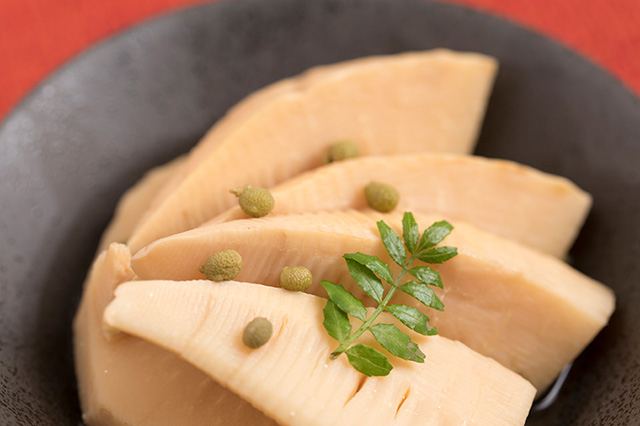
| Prefecture | Shimane (島根県) |
|---|---|
| Region | Chugoku |
| Japanese name | たけのこ山椒煮(たけのこさんしょうに) |
| Reading | Takenokosanshōni |
| Home area | (England) |
| Main ingredients | I'm going to take you to the mountains. |
History and Origins
The island district was largely surrounded by mountains and unable to harvest enough rice. A man named Fukuoka Yoichi Guard, who took note of such an environment, opened the forest in 3 years and 1846. I'm going to move the tapir from the tapir in the town and start to grow the mother bamboo. The clay red soil has grown to maturity, and has grown dramatically in the shadow of the National Guard. The growing of mushrooms also affected the farmers around it, and soon the "Kuji Oshima" established its status as a special product. Kanda Toshiki has fine fibers and soft meat. The secret lies in the soil. While the birds that grew up in the hard soil are tough, this soft-tempered creature grew up in the soil of the island district where the former people have been cultivating. Toshishi Ichida, who grows deep into the ground, takes root. The old saying is that a stick is used to dig through a rock, but a stick over a meter long is used to dig. In Japan, Japan, Japan, Japan, Japan, Japan, Japan, Japan, Japan, Japan, Japan, Japan, Japan, Japan, Japan, Japan, Japan, Japan, Japan, Japan, Japan, Japan, Japan, Japan, Japan, Japan, Japan, Japan, Japan, Japan, Japan, Japan, Japan, Japan, Japan, Japan, Japan, Japan, Japan, Japan, Japan, Japan, Japan, Japan, Japan, Japan, Japan, Japan, Japan, Japan, Japan, Japan, the Middle East, Japan, Japan, Japan, Japan, Japan, Japan, Japan, Japan, Japan, Japan, and the Middle East, Japan, Japan, Japan, the Middle East, the Middle East, Japan, Japan, and Japan, Japan, Japan, the Middle East, Japan, Japan, Japan, the Middle East, the Middle East, the Middle East, the Middle East, and the Middle East and the Middle East, the Middle East and the Middle East, Japan, Japan, Japan, Japan, Japan, Japan, Japan, Japan, Japan, and Japan, Japan, Japan, Japan, Japan, Japan, Japan, Japan, Japan, Japan, Japan, Japan, Japan, Japan, Japan, Japan, Japan, and Still, its popularity continues to be supplied outside the province. To the locals, the mushrooms are familiar to us. There are many different dishes, such as "Found Mountain Cooking" and "Found Food" and "Found Cook" and other dishes, on the table.
When It Is Eaten
From about April to June, when the mushroom from Higashida peaks its shipment, all the other regions of the country are harvested from late April to early May.) There is a high demand outside of the province, but some of it is supplied locally. Even in the island district, many people do their best digging in their own gardens and neighboring bamboo forests. In addition to being consumed for personal use, some people are said to sell themselves to get a second income.
How It Is Eaten
You can cook it simply with a soup with casserole added like the "Surtab stew." To make a bowl of rice, I will boil it with casso soup, sashimi oil, wine, and a mixture of garlic. You may add real-sama pepper to your accent. If you put a cat's-eye in a cloth and chase it, it will make it taste better and you can eat it better. This bottom-up process is difficult, so you can use water.
Recipe
Ingredients
- 1 bamboo shoot
- 360 ml dashi stock
- bonito flakes, to taste
- 20 g 山椒の実
- 2 tbsp sake
- 1 sansho leaves
- 2 tbsp mirin
- 2 tbsp 淡口
Method
- It's not that simple.
- I'll add some gravy to the sauce and boil it.
- I'll boil a little, add some casserole to the cloth, and make some stuff.
- When the water is low, we're gonna put the leaves on the plate.
Dish data: Ministry of Agriculture, Forestry and Fisheries (MAFF), “Uchi no Kyodo Ryori” (Our Regional Cuisines) database, used under the Public Data License (PDL1.0); translated and adapted from the Japanese original.