Home / Shiga / Yakimorokonodorozu
Yakimorokonodorozu 焼きもろこのどろ酢
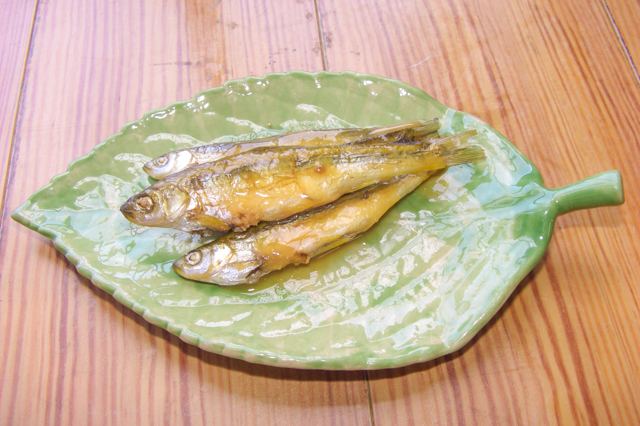
| Prefecture | Shiga (滋賀県) |
|---|---|
| Region | Kinki |
| Japanese name | 焼きもろこのどろ酢(やきもろこのどろず) |
| Reading | Yakimorokonodorozu |
| Home area | All within the province. |
| Main ingredients | And I'm going to show you some of them. |
History and Origins
It's considered to be the only species that lives in the area of Lake Sakura, and it is difficult to see them outside Lake Sakura. It is said to be particularly delicious among koi fish, and especially in the winter, "Morroco, the baby," has been made a masterpiece of Lake Koo and has been a very valuable food. It is eaten with a taste of vinegar in the "L" of the wine, and is the native dish of Shiga Prefecture, "Cooky and This Rook." One of the fish and fish representing Lake Kouji is the "Sui Yuichi Ko." Although the species is now classified as endangered IA, it is now possible to eat as well as other species that are now being developed and grown outside the stream and lake of the young. Although it is a luxury fish that is sent at high prices, such as the husband of Kyoto City, it is also known as a leisurer because it can fish throughout the year and is a small fish, and it is also known as a fisherman or a fisherman.
When It Is Eaten
Although it can be kept throughout the year, it is believed that the fat is delicious during the breeding season between winter and spring.
How It Is Eaten
I'd like to put a stick in the bowl and put it on a baked potato, and mix it with a mixture of taste, sugar, pepper and vinegar.
Recipe — Serves 4
Ingredients
- 160 g(16) ホンモロコ
- 60 g white miso
- 30 g sugar
- 40 ml vinegar
- 1/2 tsp prepared mustard
Method
- Wash the Moroco, hit the top of the chest, and watch out with the gas and cook it.
- Mixing white peppers, sugars, and vinegar, and mixing the peppers as you like, add them to make a bitter, sour pepper.
- I'll put a baked salmon on a plate and put a thick vinegar on it.
Dish data: Ministry of Agriculture, Forestry and Fisheries (MAFF), “Uchi no Kyodo Ryori” (Our Regional Cuisines) database, used under the Public Data License (PDL1.0); translated and adapted from the Japanese original.