Yamatonozōni 大和の雑煮
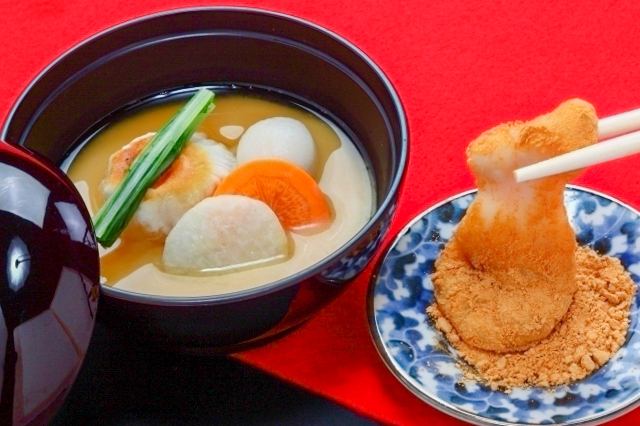
| Prefecture | Nara (奈良県) |
|---|---|
| Region | Kinki |
| Japanese name | 大和の雑煮(やまとのぞうに) |
| Reading | Yamatonozōni |
| Home area | All within the province. |
| Main ingredients | It's a big party. |
History and Origins
In Nara, many areas are eaten by eating with tofu, celebration, citrus stew containing golden carrots, lisoms, cucumbers, and so on. Each tool has its roots, and tofu is a symbol of the storehouse of white walls, and is a wish to build it. They want us to be a full family for a year, and they also cut the cucumbers and vegetables into pieces. In Nara Prefecture, a thin root about three centimeters across will be sold at the end of the year to be "rescue." Also, we put in a remix as a symbol of offspring prosperity, but in the eastern regions of Nara Prefecture, we put in a seismopod. The head potato has the thought, "Get on top of people." It is also said that the yellow of the soft powder wants a rice crop.
When It Is Eaten
It is said that in the past, they burned beanshells and cooked the stew for a year, so they could laugh and enjoy themselves.
How It Is Eaten
In Nara Prefecture, many areas of the country take out the stirrup and eat it on sugary dust.
Recipe — Serves 4
Ingredients
- 4 round mochi
- 1/2 daikon radish
- 1/2 Kintoki carrot
- 4 taro
- tofu
- 5 cups dashi stock
- 80 g white miso
- kinako (roasted soybean flour), to taste
Method
- We're celebrating the golden carrots. They're five millimeters thick and the lily potatoes are peeled and cut into one centimeter thick.
- Put vegetables in the soup, and boil it gently, add tofu and let it boil.
- I'll boil the white sauce with a little boiling juice and then put it in and let it boil.
- I'll burn the bowl before eating.
- A man takes it out and puts it on dust and eats it.
Dish data: Ministry of Agriculture, Forestry and Fisheries (MAFF), “Uchi no Kyodo Ryori” (Our Regional Cuisines) database, used under the Public Data License (PDL1.0); translated and adapted from the Japanese original.