Home / Akita / Tonburinonagaimoae
Tonburinonagaimoae とんぶりの長芋和え
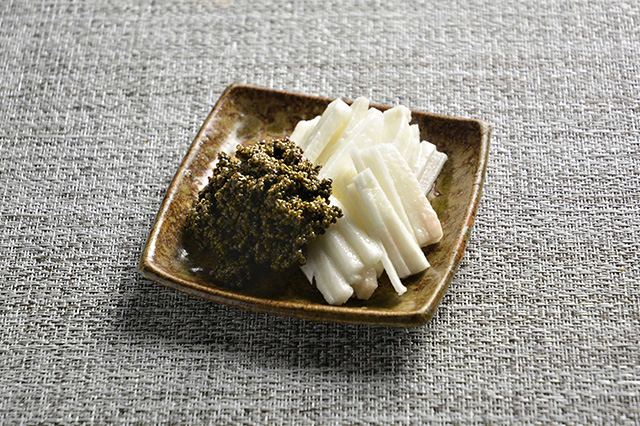
| Prefecture | Akita (秋田県) |
|---|---|
| Region | Tohoku |
| Japanese name | とんぶりの長芋和え(とんぶりのながいもあえ) |
| Reading | Tonburinonagaimoae |
| Home area | All within the province. |
| Main ingredients | Long potato. |
History and Origins
"Sweeting" is a dry, greenish - green outer skin on an Akaza plant. It is known as "Caviar of the Field" because of the sense of pluripotting in fish eggs. The resemblance to the egg from the origin of the plant (Cymbola hakata), which is traditionally eaten in Akita, is said to have caused the name "gang-chung" to appear and be referred to as "snap." In the capital city, Japan's only productive area, the custom of eating candy from the Edo period was told, and its special technique was passed on to the modern day and spread throughout the country. At the National Sports Assembly held in 1941 at Akita Prefecture, the queen of England at that time became well known. From October to spring the chows are dry, and when they are done, they have been shaved, and they have been washed multiple times to peel off skin, thin skin, and the removal of foreign objects has been a lot of trouble. The technique has been passed on to us in the grand area until now and continues to this day. It's a dull, pale taste, and it's characterized by a plying sense of food. Vitamins and minerals are balanced and are nutritious foods.
When It Is Eaten
Since it's sold in vacuum bags and bottled water outside the season, it's eaten daily throughout the year as a table dish or a bottle.
How It Is Eaten
Add a long cut of potatoes and a light snack, and then, by choice, stir up soy sauce and eat it. It's a familiar food for the people of Akita Prefecture, and it's eaten in a great variety of ways.
Recipe
Ingredients
- 35 g とんぶり
- 35 g nagaimo yam (皮をむいた状態)
- soy sauce, to taste
Method
- I'll cut the long potatoes into pieces.
- We can put a long potato on the vessel and put it on the table.
- I'll put the desired amount of sequester oil on.
Dish data: Ministry of Agriculture, Forestry and Fisheries (MAFF), “Uchi no Kyodo Ryori” (Our Regional Cuisines) database, used under the Public Data License (PDL1.0); translated and adapted from the Japanese original.