Home / Akita / Akazukeakazushi
Akazukeakazushi 赤漬け
| Prefecture | Akita (秋田県) |
|---|---|
| Region | Tohoku |
| Japanese name | 赤漬け/赤ずし(あかづけ/あかずし) |
| Reading | Akazukeakazushi |
| Home area | All within the province. |
| Main ingredients | I'm sorry, I'm sorry. |
History and Origins
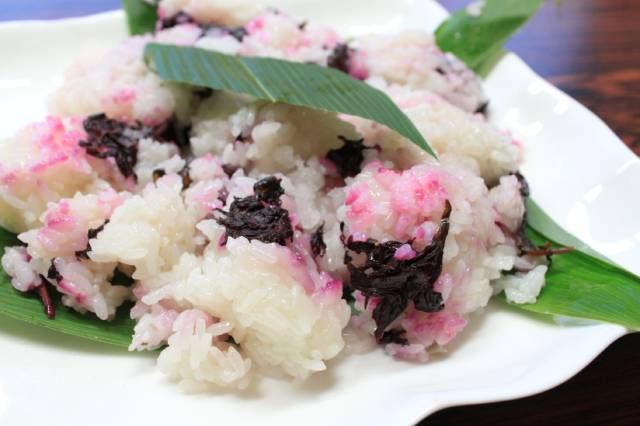
"Red/ Red" is a dish that is made of boiled rice soaked in salty red and red with vinegar to make it fertilize. The red flower with red red heads and the red one with red aliases 'keeping' reminds me of food. In the northern district of the province, the bowl is an unspoiled meal that we can serve as a dinner for customers. The ingredients used for coloring are various in different areas, such as vinegar, red leaves, soy sauce fruits and "choo" and "choo." Every year each home has grown a rice bowl and is planted in a large barrel. The bright natural red was so beautiful, so exhausting, to promote digestion, and so rich as a cereal, it was essential to survive summer. It is characteristic of a soft taste, and of eating easily in summer when appetites are down. In and around Sendai, old laws that are still in the mainstream are being used to use lemur juice and vinegar, to cut walrus leaves, walrus leaves, red leaves, salts, and so on.
When It Is Eaten
It's the summer break. It's the summer break.
How It Is Eaten
I mix the cooked rice with the salty red leaves, dip them in barrels, and let them fertilize lightly. Sometimes sugar or soy sauce is put on for taste. It's also eaten as a liquor bowl.
Recipe — Serves 25
Ingredients
- 5 × 180 ml glutinous rice
- 1 bunches red shiso
- Sweet vinegar: 1 × 180 ml vinegar
- Sweet vinegar: 150 ml sugar
- salt, to taste
Method
- The rice is sharp (and rice and water over) in the same amount, and the rice is cooked in half an hour.
- (The red rainbow is a good wash, just take leaves, and rub salt with the entire salt until the whole salt is white in excess)
- I mix the sweets that I prepared for dinner.
- I'll add some juice with the color-sized color.
- I mix the strangled red hair.
- Put it in a barrel, light heavy stones, and put it at the usual temperature for two days.
Dish data: Ministry of Agriculture, Forestry and Fisheries (MAFF), “Uchi no Kyodo Ryori” (Our Regional Cuisines) database, used under the Public Data License (PDL1.0); translated and adapted from the Japanese original.