Home / Fukushima / Sanmanopōpōyaki
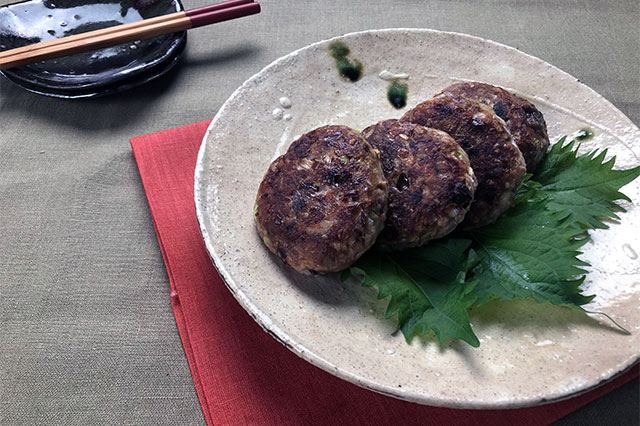
Sanmanopōpōyaki サンマのポーポー焼き
| Prefecture | Fukushima (福島県) |
|---|---|
| Region | Tohoku |
| Japanese name | サンマのポーポー焼き(さんまのぽーぽーやき) |
| Reading | Sanmanopōpōyaki |
| Home area | Ichicho City |
| Main ingredients | Sanma. |
History and Origins
In Toki City, there are seven beaches called the "Good Seven Beach," and there are many fishing ports around it. There are various fish and fish fish fish fish that are being fished all year round, especially in fall, and it's the Samma that are the main fish. There are many native dishes made from the sunma, such as dried rice, roasted fish, and rice, but the common dish is "Popoo." It's a dish that is made of rice and is chopped like a hamburger. It is said that this name was derived from the burning of the sunma oil with popo when it was burned with charcoal.
When It Is Eaten
In the beginning, fishermen were known as cooks on ships. In autumn, fresh Sammas will be harvested, so we will cook and cook them while they are fresh.
How It Is Eaten
I'm going to add a knife to the treated Samma and then roll it with a knife. If you burn it up with ovens or fried pan until your eyes are burned, it will be finished.
Recipe — Serves 4
Ingredients
- 2 Pacific saury
- 1 pieces ginger
- 1 green onion
- 1 tbsp potato starch
- 2 tbsp miso
- oil, to taste
Method
- Cut the raw sauce into pieces.
- Sanma will remove her head and her entrails, then skin her and remove her bones.
- I'd like to put a Samma on the cutting board and beat it with a knife.
- A broken Samma, mixed with chopped mustard, raw pepper and taste, and flour, and rolled like hamburgers.
- We'll oil the frying pan, then start with a fire that burns on both sides, and then we'll burn it to the inside.
Dish data: Ministry of Agriculture, Forestry and Fisheries (MAFF), “Uchi no Kyodo Ryori” (Our Regional Cuisines) database, used under the Public Data License (PDL1.0); translated and adapted from the Japanese original.