Home / Kanagawa / Norabōnanōhitashi
Norabōnanōhitashi のらぼう菜のおひたし
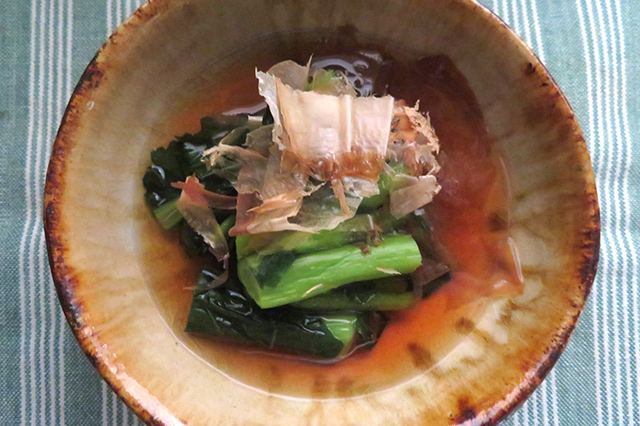
| Prefecture | Kanagawa (神奈川県) |
|---|---|
| Region | Kanto |
| Japanese name | のらぼう菜のおひたし(のらぼうなのおひたし) |
| Reading | Norabōnanōhitashi |
| Home area | Kawasaki City |
| Main ingredients | I'm sorry, I'm sorry. |
History and Origins
You used traditional vegetables and sesame vegetables that are said to have been grown for some 800 years in the Sasaki district of Kawasaki. The green beans used to be grown for oil, and farmers continued to grow their own seeds for their own use. It's said that the life force was strong and that during the Great Famine of the Edo, it saved many lives. At present, Kanagawa Prefecture grows in the northern part of the northern part of the country, including the Yusaki area, and in other prefectures, in the Saitama Prefecture and in the wild areas like Tokyo. Abrana's vegetable is characterized by eating less of its particular bitterness and gums, sweet sweet and soft food, and flowerpots. If you first take the main stem deep enough to be about 10 centimeters from the surface of the ground, then you can harvest four or five other shoots later. Takahashi Takahashi, a local farmer, developed this method in about 12 years old, and actively taught the farmers around him. Also, local farmers, trading parties and other products, such as kassela and tofu, were developed at the same time by local farmers and merchants, using their raw vegetables to make them look like casserole and tofu, and so on, and so on. The regular meal is a simple dish that tastes sweet and tastes sweet and tastes sweet.
When It Is Eaten
Since the harvest season of green beans is in the late February of April, the lentils are also eaten in the spring. It's a common everyday meal centered around homes, and recently there's been provided a colorful menu with green beans in the local restaurant. Moreover, the green beans from the harvest are so fragile that they do not appear on the market many times, and are sold mainly at farmers' doorsteps and at large produce stores.
How It Is Eaten
Wash your hands in water and boil in salted hot water. When the fire passes, squeeze water from cool water. Cut to about five centimeters, and put it on the board. Take a little of the citrus and citrus oil and taste it.
Recipe — Serves 2
Ingredients
- 200 g のらぼう菜
- toraji, to taste
- bonito flakes, to taste
Method
- The green beans are boiled for about four minutes in a bowl of salted hot water.
- If it is cooked, cool the water and squeeze it.
- Cut into about five centimeters, and put it on a bowl.
- I will use the consecration to add a "sing" ratio and heat it.
- Toss a generous bowl of rice and then, at the end of the day, shakes your fist.
Dish data: Ministry of Agriculture, Forestry and Fisheries (MAFF), “Uchi no Kyodo Ryori” (Our Regional Cuisines) database, used under the Public Data License (PDL1.0); translated and adapted from the Japanese original.