Home / Shizuoka / Mizukakenanotsukemono
Mizukakenanotsukemono 水かけ菜の漬物
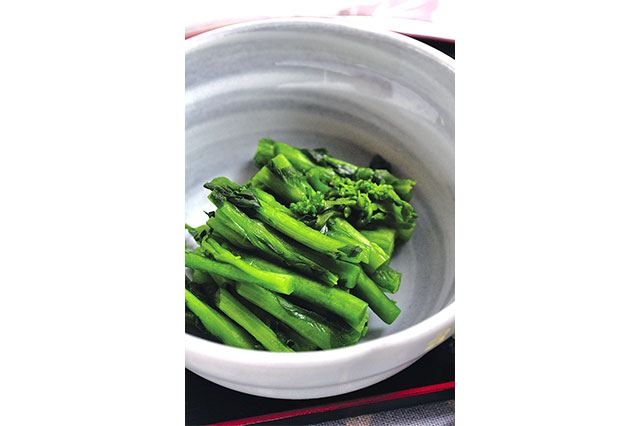
| Prefecture | Shizuoka (静岡県) |
|---|---|
| Region | Chubu |
| Japanese name | 水かけ菜の漬物(みずかけなのつけもの) |
| Reading | Mizukakenanotsukemono |
| Home area | Mr. Koyama. |
| Main ingredients | We've got water and vegetables and salt. |
History and Origins
Your city and Oyama are winter and cool summer and cold and extremely cold. Here, there is plenty of underground water from Mt. Fuji's snowy waters and maintains a temperature of 13 degrees Fahrenheit [13 ° C] throughout the year. The "water vegetable" is a traditional vegetable in this area and a special product that can only be tasted in early spring in March. In wintertime, rice paddies are made into high-stabs, water is poured into them, and kept warm and cultivated. The name comes from "watering" and "watering" means "watering" and it says that it has come to be called "water vegetable." It is believed that cultivation began with Akino's chief bringing back seeds from his journey. It is said that when I was in Akiji, I came with a construction crew, and later I was able to make rice from the water plants by means of the women who came in from abroad, and were later grown and eaten by the people in your area.
When It Is Eaten
It's also eaten as a daily meal and tea request.
How It Is Eaten
The next day, if the water comes up, I'll replace it with the top and bottom of the water. It's about three days later when it's packed.
Recipe — Serves 10
Ingredients
- 1 kg 水かけ菜
- 30–40 g salt
Method
- Wash the water plants. Put it in a large bowl, and stick salt in it until it is sore.
- I'll arrange them one by one in the container. (When the water comes out that puts the heavy stone on it, make it lighter.)
- The next day, when the water comes up, we replace the top and bottom of the rice vegetable and re-borrow it.
- It's about time you ate three days from the start.
Dish data: Ministry of Agriculture, Forestry and Fisheries (MAFF), “Uchi no Kyodo Ryori” (Our Regional Cuisines) database, used under the Public Data License (PDL1.0); translated and adapted from the Japanese original.