Home / Osaka / Ōsakashironanokarashiae
Ōsakashironanokarashiae 大阪しろ菜の辛子和え
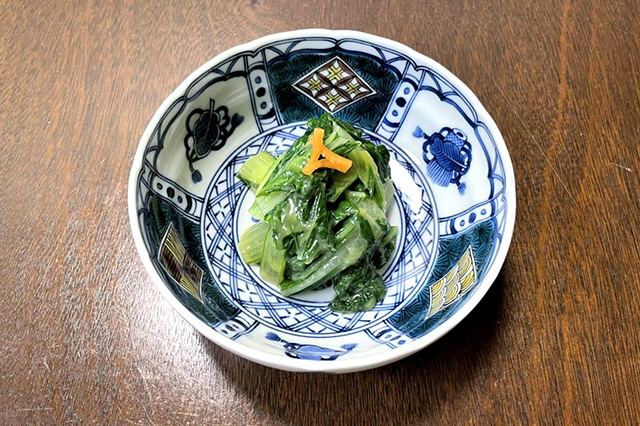
| Prefecture | Osaka (大阪府) |
|---|---|
| Region | Kinki |
| Japanese name | 大阪しろ菜の辛子和え(おおさかしろなのからしあえ) |
| Reading | Ōsakashironanokarashiae |
| Home area | Osaka City |
| Main ingredients | Osaka. |
History and Origins
It is said that the Osaka vegetable is a product of the mix of the mountains or the cabbage and the vegetable. In the Edo age, growth began, and since it was grown so well near a bridge in the heart of Osaka City, it is also known as "Founded". At the end of Meiji's reign, growth spread to various parts of Tokugawa, Tohoku, and Miyagi. There are three systems of early, middle, and evening species that will be harvested at different times of the year, but each has a bright white leaf on the horizontal axis. Today, harvested in Osaka City and surrounding fields, it has become a leafy vegetable representing Osaka. The taste is unrecognizable, and if you burn it, it will be soft. It's often used in cookings similar to cabbage and small pines. It's easy to get into any dish, such as rice, rice or stew, but it's rich in Osaka, which is a delicious taste and so on.
When It Is Eaten
Because there are early, medium, and evening species at different times of the year, we can harvest them. It's a vegetable that's familiar to the people in the community, and you can easily buy it at the store or at the supermarket.
How It Is Eaten
The Osaka vegetables, oil-stuffed oils, sometimes peppers, soy sauce, and so on.
Recipe — Serves 4
Ingredients
- 1 bunches 大阪しろ菜
- 1 aburaage (fried tofu pouch)
- Mix: 1 tsp とき辛子
- Mix: 1 tbsp1/2 soy sauce
- Mix: 2 tsp mirin
Method
- Oiling is served with boiling water, oiling, and cutting in half.
- Add a pinch of hot water and salt (and oversalvation) and add a pinch of Osaka, boil it, cut it to the length of two centimeters for cool water and reduce the moisture.
- You can add seasoning A to the bowl, mix it, and add 1 and 2 2 together. It's delicious using a car wash instead of oiling.
Dish data: Ministry of Agriculture, Forestry and Fisheries (MAFF), “Uchi no Kyodo Ryori” (Our Regional Cuisines) database, used under the Public Data License (PDL1.0); translated and adapted from the Japanese original.