39 8 あかねこ
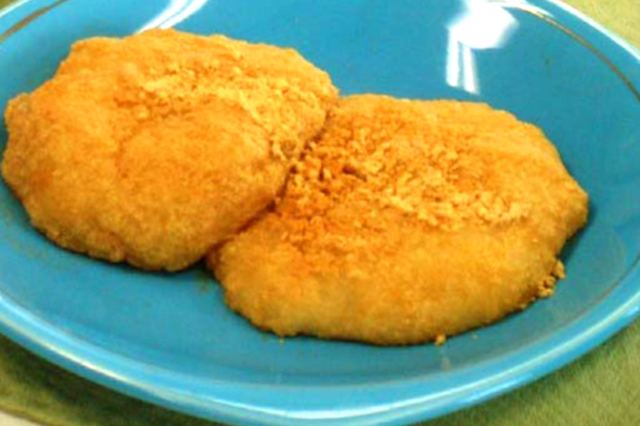
| Prefecture | Osaka (大阪府) |
|---|---|
| Region | Kinki |
| Japanese name | あかねこ |
| Home area | Nakanaka, Nanjo. |
| Main ingredients | We've got rice, flour, flour. |
History and Origins
A steamed rice and flour made from rice and flour, but then they were dusted with sugar-time powder. I'll also say, "I'll hold on to it." Because of the flour in it, you can enjoy a more sticky, squawking sense of food than you can make with rice alone. The semi-summer is the number of summer years from the summer solstice, from July 2 to July 7th. Since farmers will plant rice at this time, we had to cook wheat they had harvested before they were planted, "Kaki" they had harvested in rice they had harvested last year, and thanked them for the end of the rice plant and prayer for the harvest. At that time, the homemade flour was brown because it was ground into flour for the skin. It is said that this caused his frame to turn brown and that the look on his face was similar to the "cat's round back," so he came to be called "Knee."
When It Is Eaten
It's a food dinner with thanks when the plant is finished.
How It Is Eaten
I use water all day and all night, and I add rice, water and other water to steam the flour that is so soft that it is so soft that it is so soft that it cannot be steamed. It'll be covered with a viscosity cup, and it'll be torn to size, and it'll be mixed with sugar.
Recipe — Serves 4
Ingredients
- 2 cups glutinous rice
- 160 g wheat flour
- 1 tsp salt
- 190 ml water
- 10 g sugar
- 25 g kinako (roasted soybean flour)
Method
- Wash rice and water all day and night and cut it off.
- I'll put the wheat in the water for 20 minutes. When there is no wheat, use thin flour. In that case, add water to the softness of your ears, round them in a big round, and hold the center a little.
- I'm going to put one in and two on top of it and then steam it.
- If it's steamed, I'll take care of it.
- Cut it off properly, and peel off the sugar-smeared powder.
Dish data: Ministry of Agriculture, Forestry and Fisheries (MAFF), “Uchi no Kyodo Ryori” (Our Regional Cuisines) database, used under the Public Data License (PDL1.0); translated and adapted from the Japanese original.