Kasujiru 粕汁
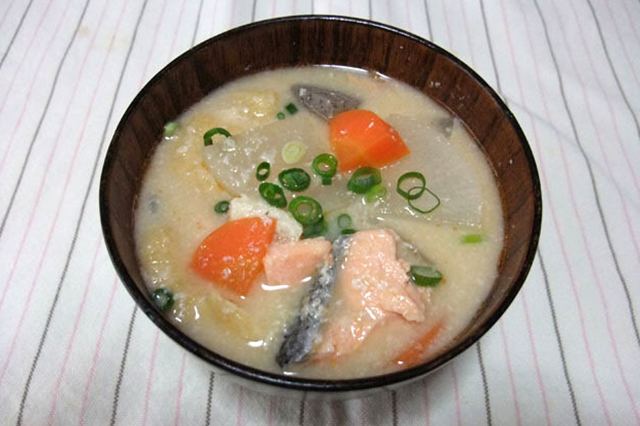
| Prefecture | Hyogo (兵庫県) |
|---|---|
| Region | Kinki |
| Japanese name | 粕汁(かすじる) |
| Reading | Kasujiru |
| Home area | All within the province. |
| Main ingredients | And I'm going to show you how to do that. |
History and Origins
"Sui" is a local dish made by boiling radish, carrots, goubou and garlic from Japanese wines. There are times when other fish are added besides vegetables, such as chakes, blithes, and sabbats. People who had come to work in the wine mills for making wine during the winter from the cold mountains, and who had brought wine back to their souvenirs, were often eaten in the mountains. Hyogo Prefecture is one of the largest wine productions in Japan, with about 30 percent alcohol production in the country, and with the largest amount of pineapple growing in the country, called the champion of wine and rice, as well as the largest one in the country. Its history, written 1,300 years ago, says that the first Japanese fishfisher to produce Japanese wine was used in Japan. That's why the history of wine is old, and has been used since the peaceful days as a long-term preserve of fish and vegetables. Wine is also a food food rich in mother's proteins, vitamins and minerals. It was the custom of celebrating on New Year's Eve to eat from the head and bones of the head, the citrus, and other bones that were eaten on New Year's Eve, and to eat from the stew and the vegetables that were boiled in the wine and vegetables, and a meal to bring home the feeling of the hale back to the daily life.
When It Is Eaten
And I'm going to show you some of the things that I've learned in the last couple of years, and I'm going to show you that in the family, on January 20th, we eat on New Year's Eve.
How It Is Eaten
I'll cook radish, bou, carrots, garlic, oil, and so on. I'll boil it in soup and put a wine in it and taste it in my skin. Even if you put fish like salmon, blithe, and sabbatical in, you'll get moss.
Recipe — Serves 4
Ingredients
- 40 g daikon radish
- 20 g carrot
- 20 g burdock root
- 2–3 taro
- 1/2 konnyaku
- 1 aburaage (fried tofu pouch)
- 40 g sake lees
- 2 tbsp miso
- niboshi (dried sardines), to taste
- 1 green onion
- ※サケや塩サバをいれてもよい
Method
- I'm going to cook the raw bread with a boiling sauce, and then I'm going to cut the root, the carrots, and the cucumbers, and then I'm going to cut them into pieces and cut them into pieces.
- I'll melt the wine in and taste it in my bowl. I'm going to scatter the last finely cut green onions.
More About Kasujiru
Suki is Japanese soup cooked with wine added.
The origin details are unknown, but they are eaten centered on the Kinki region. In the Kanto area, it is a folk season served in winter by the public dining hall and elsewhere.
The soup is boiled with wine and is seasoned with sauerkraut and so on. There are many uses for materials such as pork, carrots, radish, goubows, and other root vegetables.
Since alcohol is rich in vitamins, carbohydrates, and amino acids, it can warm your body, and it is often acted upon by winter events and by abscess. In Nara's old temple, those involved act at the intermission.
Text adapted and translated from the Japanese Wikipedia article 粕汁 by its contributors, licensed CC BY-SA 4.0.
Dish data: Ministry of Agriculture, Forestry and Fisheries (MAFF), “Uchi no Kyodo Ryori” (Our Regional Cuisines) database, used under the Public Data License (PDL1.0); translated and adapted from the Japanese original.