40 23 さばのじゃう
| Prefecture | Hyogo (兵庫県) |
|---|---|
| Region | Kinki |
| Japanese name | さばのじゃう |
| Home area | Yuoka City, Tokicho City. |
| Main ingredients | I'm going to have to do something about it. |
History and Origins
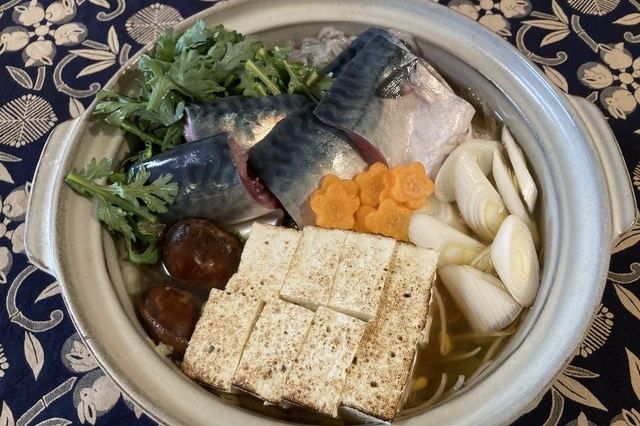
The fishermen who ate the mackerel in a pot of roasted vegetables, such as onions and cabbage, cooked tofu and so on, were eaten in a town with a fishing port in the area. In the Tobago area of Yuoka, Japan, the small sauba were so large that they used them, but even in the Kasai district, they made "snacks" with unspoiled fish, such as honey, and gurrays.
When It Is Eaten
Mainly, they were eaten at home in spring or fall when they got well. They were also eaten as breakfast after returning from fishing.
How It Is Eaten
Three pieces of massa will burn the heads and bones and start off. In a large pot, you can put soup, soup, cabbage, cabbage, spring, and other vegetables, and mix them quickly and eat them in a fresh way. I taste it with soy sauce, wine, garlic and sugar.
Recipe — Serves 4
Ingredients
- 2 mackerel (中)
- water, to taste
- kelp (konbu), to taste
- 1/4 Chinese cabbage
- 1 packets bean sprouts
- 2 burdock root (ささがき)
- 1 white part of green onion
- 4 shiitake mushrooms
- 1 grilled tofu
- 100 g konnyaku noodles
- 1 packets shungiku (chrysanthemum greens)
- carrot (飾り), to taste
- seasonings (soy sauce), to taste
Method
- We put the mascot down three pieces and use it for burning heads and bones.
- I put 1 L of water in the pot, I put the head and bones of the burned saba in the pan, I boil them, and I make them myself. If you can make them, you can remove their heads and bones from the pot. There you can put in a cup of soy sauce 3 teaspoons, a teaspoon of wine 3 teaspoons, a teaspoon of sugar 4 teaspoons, and a little salt) and taste it.
- I can cook and cook the sabbatical in a pot with a cut of the sabbatical and vegetable, mushrooms, baked tofu, threaded tofu.
Dish data: Ministry of Agriculture, Forestry and Fisheries (MAFF), “Uchi no Kyodo Ryori” (Our Regional Cuisines) database, used under the Public Data License (PDL1.0); translated and adapted from the Japanese original.