Home / Yamaguchi / Wakamenoshōyuzuke
Wakamenoshōyuzuke わかめの醤油漬け
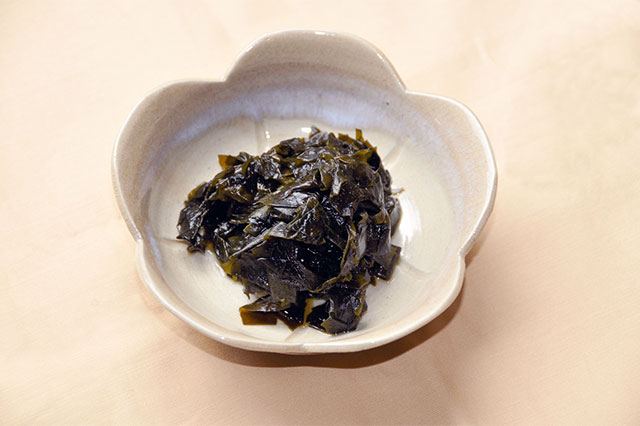
| Prefecture | Yamaguchi (山口県) |
|---|---|
| Region | Chugoku |
| Japanese name | わかめの醤油漬け(わかめのしょうゆづけ) |
| Reading | Wakamenoshōyuzuke |
| Home area | Jang-san. |
| Main ingredients | I'm sorry. |
History and Origins
The sea-based wavyts are raised in the state of Tokyo. (Yamaguchi Prefecture is the 11th largest water collection in the country and is often caught in the Ministry of Agriculture, Forestry and Fisheries level 29). Among other things, it is said that in Hajiang Bay there are rock reefs on the bottom of the sea called citrus and glybes, and that the flow of water from the flat sand bed causes the flow of the water to be disturbed, and that there is a flood of rich sand and mud. Its nutrients and sunlight make the plankton grow well, and so do the sea algae, such as the sea turtles. And there are also roundfish, such as the sea swimming in the open sea, as well as a place for sea animals and sea animals. Sea algae, such as oysters, are also used as products of processing, seaweed is made into plate seaweed and sea turtles into dry turtles and so on. The "spoken" that carved the turtle and stuck it on the edge is famous. And the watcha are cooked for meals at home, including the "silver grating." It's important to take away the oil from the pot, to eat raw food, and even to save food.
When It Is Eaten
As a family dish, you sit at the table every day.
How It Is Eaten
Fresh turtles wash well. For salt-rich wavy turtles, we'll keep salting well in water. Put the soy sauce into the oven and remove the pot. I'd like to stay for dinner and drink.
Recipe — Serves 4
Ingredients
- 200 g fresh wakame
- 80 ml soy sauce
- a pinch mirin
- a pinch sake
Method
- I'm going to add 40 ml to it and mix it well.
- After a while, when the bubble goes out, I'll often repeat the 1 again.
- Cut the yen into about two centimeters, and add a cup of wine to it as you like.
Dish data: Ministry of Agriculture, Forestry and Fisheries (MAFF), “Uchi no Kyodo Ryori” (Our Regional Cuisines) database, used under the Public Data License (PDL1.0); translated and adapted from the Japanese original.