47 27 イーヤチ
| Prefecture | Okinawa (沖縄県) |
|---|---|
| Region | Kyushu & Okinawa |
| Japanese name | イーヤチ |
| Home area | Tokushima |
| Main ingredients | Yes, rice |
History and Origins
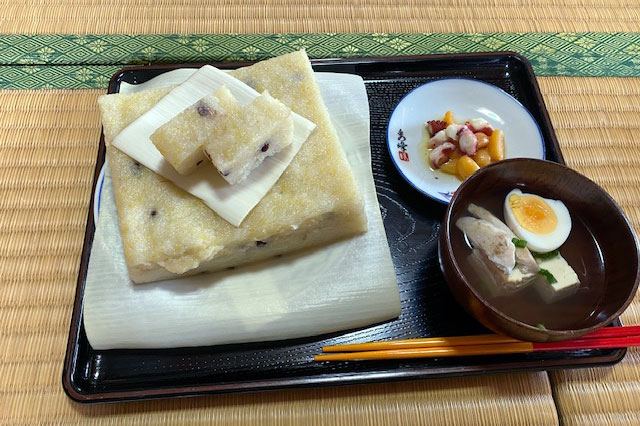
"Eyaichi" is traditionally eaten by mixing rice and beans mixed with the rice of Tokushima, the island of Tokushima in the Yasaka chain. Toshishima is only ten minutes away by ship from Ishikishima, and it has beautiful scenery and many tourists from the South. The largest festival on Toshishima is said to have a history of about 600 years. In 1977, it's a festival designated to the important non-citizen cultural goods of the country, to sow seeds and pray for a harvest. It was reported that it was held for nine days from the time of the old calendar's lunar date in September and October, while they prepared the "Eyachi" that they could easily be eaten to make themselves more busy at the festival. The day before and after the festival, especially in the entertainment arts, we use the traditional "Synmeyna" of a cooking device that goes to Okinawa Prefecture. The scent of steaming leaves is distinctive. Since sweet potatoes used to be a common food, the "Eyache" that can be eaten during the festival was a pity for the island people.
When It Is Eaten
It's conducted in the Seed Festival in Tokushima.
How It Is Eaten
I'll cook rice and beans in four bowls of lentils. If you don't have hot water, I'll cook it into a large wooden pot called Ibila. The oiled leaves are used to shape them into round shapes. I'll put it on a bamboo basket and boil it on the leaves of the citrus.
Recipe
Ingredients
- glutinous rice, to taste
- all, to taste
- azuki beans, to taste
- 芭蕉の葉, to taste
- oil, to taste
Method
- I cook rice and beans in four bowls of sea cucumber.
- Except for hot water, I'll make sure I use a large wooden pot called Ibira.
- The oiled leaves are used to shape them into round shapes.
- I'll put it on a bamboo basket and boil it on the leaves of the citrus.
Dish data: Ministry of Agriculture, Forestry and Fisheries (MAFF), “Uchi no Kyodo Ryori” (Our Regional Cuisines) database, used under the Public Data License (PDL1.0); translated and adapted from the Japanese original.