Home / Fukui / Akakaburanosuzuke
Akakaburanosuzuke 赤かぶらの酢漬け
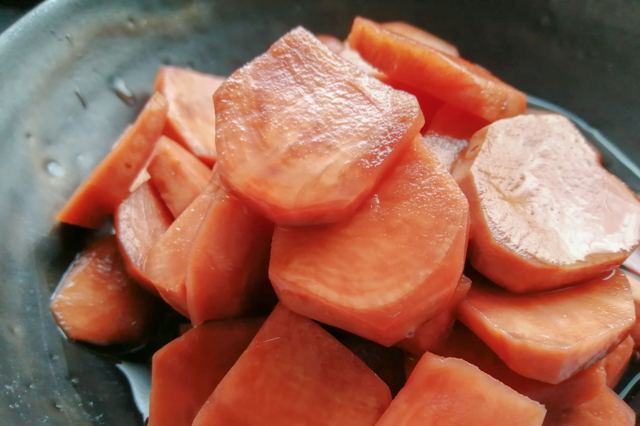
| Prefecture | Fukui (福井県) |
|---|---|
| Region | Chubu |
| Japanese name | 赤かぶらの酢漬け(あかかぶらのすづけ) |
| Reading | Akakaburanosuzuke |
| Home area | Tokiyama Area |
| Main ingredients | (Red, hanging, salt, vinegar, sugar) |
History and Origins
The famous Fukui Prefecture red-roast (red-roast) is a traditional vegetable called "Red in the river" that has been built up in the river complex of Fukui City, more than 800 years ago. In addition to the mountain surrounded by snow and snow, the great temperature is suitable for red and green growth, and the tastey, natural colors grow in the fresh, natural colors of the sun by the only remaining cooking methods in the province. There is a legend that the peacetime and the defeat of the plain- house has passed on to the villagers red seeds and growth techniques because they want to live in this village and preserve the symbol of the house. It's also said that the settlement deep in the mountains has left the original species without mixing. Some of them are round red and have a strong red sea horse even when cut. It has a unique flavor, a sweet and refreshing flavor, and it is popular to add salt or a thousand pieces of salt or bitter pepper to it. Among other things, "red - and - green" is a typical native dish, since the vinegar and skin respond to the color of the vinegar and the skin and make it red all the way to the middle, giving a beautiful look, taste and taste.
When It Is Eaten
The red - or - no harvest starts in late October. In November, when the temperature increases, the sweets increase and the harvest peak. In some areas, it is an indispensable dish for New Year's.
How It Is Eaten
If you cut it thin, add salt and heavy stones, and then throw away a little juice to relieve the pain. If you cut it for a thousand, add it well, then spread it out and pour a light heavy stone from the top, and let the juice run naturally. This is how you fill in the salted red and straw and stir it twice a day, stir it twice a day, cut it thin, and you can eat it in about a week.
Recipe
Ingredients
- 1 kg 赤かぶら (red turnip)
- 40 g(30 g) salt
- 1 cups(100 ml) vinegar
- 150 g coarse sugar
Method
- Prepare to go under the tree. If you don't peel, cut the red and the green on the side of the fiber. (Feel)
- Prepare for two-to-one subsidizations by chewing one salt on a cut red or a bush. It's only one to two days.
- Prepare for the subsoil three. Do not throw away the water, and then carry a light weight. I can't help but see how the water drops and how it escapes. (CHUCKLES)
- I'll add all the flavored salt, vinegar and so on. Let's stir it twice a day from below. I'll go around in about a day or two. I'll keep doing it for about a week.
- You can eat well after about a week and a month. Red or green in the river isn't going to stay overnight.
Dish data: Ministry of Agriculture, Forestry and Fisheries (MAFF), “Uchi no Kyodo Ryori” (Our Regional Cuisines) database, used under the Public Data License (PDL1.0); translated and adapted from the Japanese original.