Chameshi 茶飯
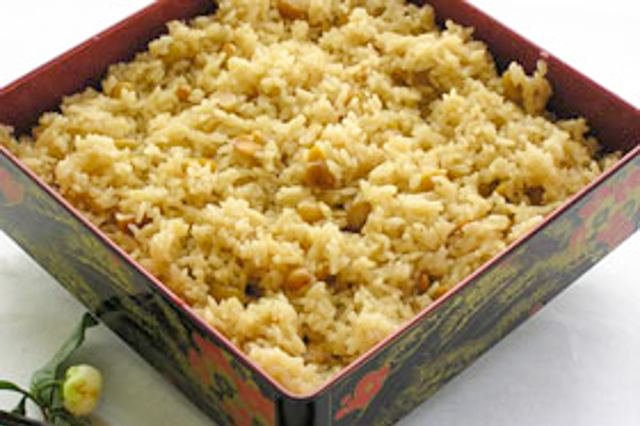
| Prefecture | Fukui (福井県) |
|---|---|
| Region | Chubu |
| Japanese name | 茶飯(ちゃめし) |
| Reading | Chameshi |
| Home area | - I'm in Kosaka. |
| Main ingredients | I'm going to have a cup of coffee. |
History and Origins
"Kookaki" was originally derived from Nara's Tokyo temple, the Tokyo High House, and so on. It is said that the traveler has just left it in the residence town. It seems that originally it was changed from a cup of tea prepared with roasted juice. The tea has been used mainly for Buddhist affairs, and has now been passed on to us as a taste for the present day, and is now eaten not only in Buddhist affairs but also in various activities. In the past, when the funeral was held, I had the custom of having a relative's house make a cup of tea with a potato child, filling a small bowl with salt, salt, and boiling with potatoes. Also, before and after the birth date of the founder and father, the New Year's Day of November 28, January 16) and after the new year, the largest annual performance of each sect of the Shinaji sect, from fall to New Year, will be rewarded. "Cooky tea" is a dish made by the wisdom of its predecessors, who, by combining the tea with the beans, are more nutritious and flavored, while enjoying the aroma of the sweets and the aroma of the wine that have been served, acquires the protein of winter. It's one of the dishes that the foster parents cook for their daughters and grandchildren when their daughter is in marriage when she comes home. Tea is the favorite taste of my home.
When It Is Eaten
Depending on the area, they are still eaten by evening meals, law and benefits classes.
How It Is Eaten
I'll soak the roasted, peeled beans in hot cacao for about an hour. Add freshly boiled casserole and soy sauce, and boil it and boil it with the rice and the big beans that you didn't have to wash. When you cook up, I'll put the drink in just before it evaporates.
Recipe — Serves 20
Ingredients
- 6 × 180 ml glutinous rice
- 4 × 180 ml regular rice
- 90 g soybeans
- 3/4 cups sake
- 0.5 cups soy sauce
- 1 bancha tea
- a pinch dashi kelp
Method
- I'll let the tea boil.
- I'll keep the soybeans in the boiling pot for an hour.
- I'll mix rice with beans before I wash it.
- I'll add 100 cc of sesame oil to 180 cc of soup and 1220 cc of tea to make the whole thing 1,500 cc.
- Cooking the dishes and putting three in there and cooking them.
- When you cook it, put it in just before it evaporates.
More About Chameshi
Tea is a kind of rice cooking method. Besides meaning rice prepared with extracted tea, it is divided into what is called the rice because it is brown.
Type
I made it with polished rice, and not with roasted tea or brown tea leaves, but with boiled tea instead. Or a mixture of salt and tea where the white rice was cooked. It's a famous native dish of Nara Prefecture. XXQ 86X and Shizuoka Prefecture. A polished rice was added to it, and added soy sauce and soup. The Tokyo is mainly served as a grocery store, and also a commercial cup of rice for your tea. In the area of Shizuoka Prefecture, it's also called "Saki-saki"
Text adapted and translated from the Japanese Wikipedia article 茶飯 by its contributors, licensed CC BY-SA 4.0.
Dish data: Ministry of Agriculture, Forestry and Fisheries (MAFF), “Uchi no Kyodo Ryori” (Our Regional Cuisines) database, used under the Public Data License (PDL1.0); translated and adapted from the Japanese original.