Bonjiru 盆汁
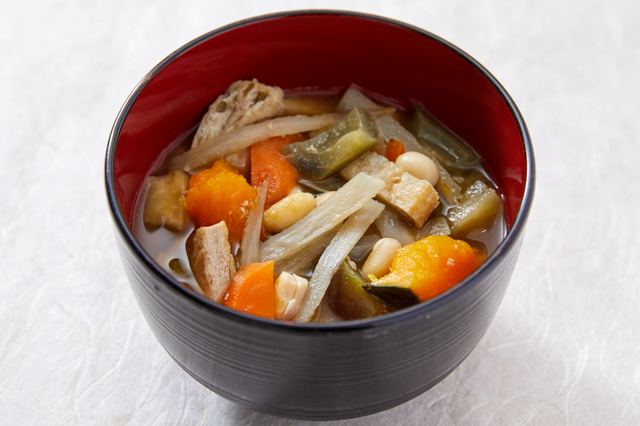
| Prefecture | Mie (三重県) |
|---|---|
| Region | Kinki |
| Japanese name | 盆汁(ぼんじる) |
| Reading | Bonjiru |
| Home area | Central and Central and East Coast. |
| Main ingredients | I've been working on this for a long time. |
History and Origins
It is said that there is a description of the soup that is supposed to represent "songs, which were recorded in the Edo period (1813) in Matsukaji's annual activities and customs, and in Matsukaji's style and style, and in the "sama" expression, "sama" and "sama" and "sama" and "sama" and "sama" and "sama" and "sama" and "sama" and "sais" and "sama" and "sui" and "sai" and "sais" In the families of Zen Buddhism (a member of the great Buddhist sect) it was said that they should not be killed in a tray, so they ate a dish made from the meat and fish, made from the vegetables from the season when they did not eat meat or fish, or use cassion or boiling sauce. I don't use casserole or boiling sauce, but I can cook it even if I don't add a lot of ingredients and oil instead. It is also characteristic of adding more type and quantity of tools than regular soup to welcome and entertain the ancestors in the tray. There are so many materials that it's vegetable stew. Especially in the northeastern part of Matsumoto City, they call it a bonsai offering, and they are sure to put it in because it's just about time to eat in the tray. In some areas, it is called "Seven Tasty" because of the seven types of tools used, or in the rear citrus city of Tokuga, in Tokugo, you add to it to make a "Aki" and a "Ari" on the day you send "The Spirit"
When It Is Eaten
Although it seems different from "the three days of the morning" in the tray, "the noon of the 15th," "the 16th day," according to the family, it is customary for all of us to offer the spirits "the soup" and to have the whole family together.
How It Is Eaten
Using seven types of vegetables in the early summer season, as we are called by the name "Seven Tasting." Cut the vegetables to the right size, boil them in hot water, and then finally, you will have the taste melted. It is characterized by not using chocold or boiling juice. Like the district of Tokigo, it's interesting to see people who make materials and names change depending on the time they eat.
Recipe — Serves 10
Ingredients
- 1/2 cups soybeans
- 1/4 burdock root
- 1() aburaage (fried tofu pouch)
- 1/2 eggplant
- 1/5 carrot
- 100–150 g kabocha squash
- 100 g miso
- 1000 ml water
- 50 g 16 Offerings
Method
- Soybeans are allowed to soak in water the day before. I'll boil it gently until the eighth minute of the day.
- The other vegetables are small and cut in the right manner. I'll leave you with what you need.
- If you put beans, vegetables, and oil in a pot from a hard diet into a pot, then you can melt it and make sure it tastes good and then burn it.
- I wish there were seven other types of citrus materials available at the time.
Dish data: Ministry of Agriculture, Forestry and Fisheries (MAFF), “Uchi no Kyodo Ryori” (Our Regional Cuisines) database, used under the Public Data License (PDL1.0); translated and adapted from the Japanese original.