Junjun じゅんじゅん
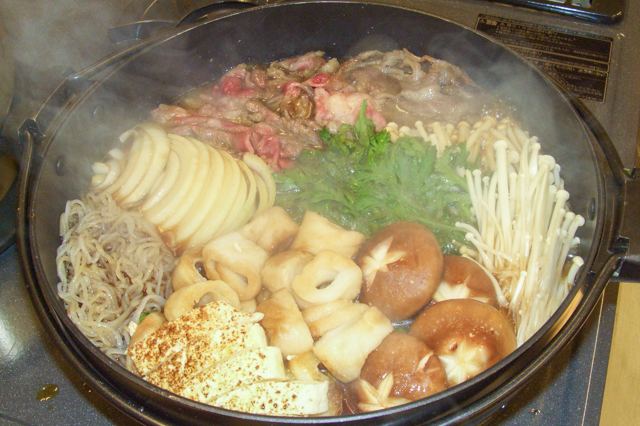
| Prefecture | Shiga (滋賀県) |
|---|---|
| Region | Kinki |
| Japanese name | じゅんじゅん |
| Home area | All within the province. |
| Main ingredients | (Laughter) |
History and Origins
"Cooks of palm" is a dish made of beef, chicken, and lake fish seasoned with roast. The "scarlet" with beef and chicken is eaten on New Year's Day, such as the tray. The Lake Palm is eaten mainly around lakes such as northern lakes, western lakes, eastern lakes, and Okinawan islands. The name "smooth palm" is derived from the sound of the sound of boiling the material in a pot. It is said that it was boiled and eaten with the vegetables of the season. Also, food items such as the native Izae of the Lake of Sung, Japan, and the native of Lake Kouji, which is one of the three Great Lakes of Japan, as well as other items produced around Koyumi Shikoku, Kouji, Japan, where there was a castle, can be eaten well and even more well. In particular, the traditional Shiga Prefecture vegetable garden is low in yield, but it is delicious and soft and sweet when added to heat. On the other hand, a high-salvation skid will add deeper sweets by adding heat with meat. It's a vegetable that matches the pot. Other products of Shiga Prefecture are the ones that suit the pot with the knife and red. The stylus is round in shape and is characterized by a strong sense of food and smooth tongue. Red peppers are red with iron called 3x2 iron and are healthy as well.
When It Is Eaten
They say they can eat whole-day food with four-day food, but they often use beef and chicken for guests, such as trays and New Year's. It's a crafted dish that allows lake fish, beef and chicken to go year-old together with the vegetables of the season.
How It Is Eaten
Add the (cow or lake fish) lightly roasted in a cooking pot, vegetables, flavored or decrepit). When the juice comes out, I cook it with thread, tofu, soo sauce and so on.
Recipe
Ingredients
- 500 g beef
- 1 cow fat
- 250 g green onion
- 1 bunches chrysanthemum
- 1 blocks tofu
- 100 g konnyaku noodles
- 1 packets shimeji mushrooms
- 4 fu (wheat gluten)
- 60 g sugar
- 80 ml soy sauce
Method
- Cut the meat into easy lengths.
- Cut the mustard into three centimeters length, and the vegetable takes its root and cuts it half the length.
- The kite cuts its roots and rips them.
- The tofu is cut into about three-inch angles.
- You cut it in half or three and then put it in water.
- Cook the cooking pot, add some fat and melt.
- Put the beef in the pot, and cook it lightly, add rice, lentils and combs, and add sugar and soo sauce. If you feel the juice coming out, I'll boil it with tofu and tofu.
- We add ingredients and surround the pot with a tastey taste.
More About Junjun
Shiga Prefecture native food. A fishing village and a pot from fishermen passing around it is a dish from which we use fish and chickens and cattle from the lake. It's also a wide range of flavors, such as the pot flavors, from the sweet flavored on the roastery. I'm sorry.
Overview
The fresh fish caught in Lake Sakura will be cooked in a pot while it is fresh. Sub-food changes depending on the diet of the main food, but there's a lot of cooking in there. Tofu, silk, green onions, spring, cow, and in the eastern part of the lake, there are also times when it is red and kanji. The main ingredients are fresh water fish from Lake Sakura, which are used in the lake, and some have been salted with chicken. Fresh fish are used in various ways, such as potatoes, koi, funa, Isa, eels, and nacre, but at the same time, they hardly cook with multiple fresh fish.
In modern times, beef meat is being eaten, beef carrots are starting to spread, and new moons and trays are being eaten on the day of the Hale.
The fish palm is eaten mainly around Lake Sung. The fish used use the time of each fish and boil with the vegetables of the season.
In recent years we have begun to see the phrase "mass" across Shiga Prefecture, and the growing awareness has been limited to fishing villages and local food that once were spread only around Lake Sung. The traces of the same name used in remote areas called Okinawa, along with Okinawa, suggest that a fishing community is the source of a local dish called Gonza.
Origin of Name
Although there are many theories about the name, it is said that it comes from the sound of boiling material in a pot.
On the island of Okinawa, which is a fishing village around Lake Sakura, there is a native dish with a nickname for "Suji" and it is found that the verbization from the haiku has existed from old times in the fishing community around Lake Kohu.
It's the difference.
In many cases, the flavoring is like roasting, as is the case with the flavorings of soy sauce, sugar, wine, and soup, as well as raw eggs and rice as cooking sauce. However, meat is not cooked, but is cooked in a way that is different from roasting.
However, the modern flavor of the roast with a lot of sugar is after we have entered modern times and have used beef. Since the original palm is tasted by the combination with the side ingredients, it's not the same as the flavor of the roast. If the main ingredients are high in oil, it's better to be sweet, so using beef, chicken and so on, it's a flavor of roasted meat. This is why it's described as "Creep-Bung." It's a bit of a joke because it's the other way around with icefish, niigi salts. Since the flavor of the roast is dull, the use of sweets such as steam oil and sugar is relatively mild, and it's much closer to the taste of the common pot.
Text adapted and translated from the Japanese Wikipedia article じゅんじゅん by its contributors, licensed CC BY-SA 4.0.
Dish data: Ministry of Agriculture, Forestry and Fisheries (MAFF), “Uchi no Kyodo Ryori” (Our Regional Cuisines) database, used under the Public Data License (PDL1.0); translated and adapted from the Japanese original.