Hazushi 葉ずし
| Prefecture | Fukui (福井県) |
|---|---|
| Region | Chubu |
| Japanese name | 葉ずし(はずし) |
| Reading | Hazushi |
| Home area | Fukui City |
| Main ingredients | It's a very simple process. It's very simple. |
History and Origins
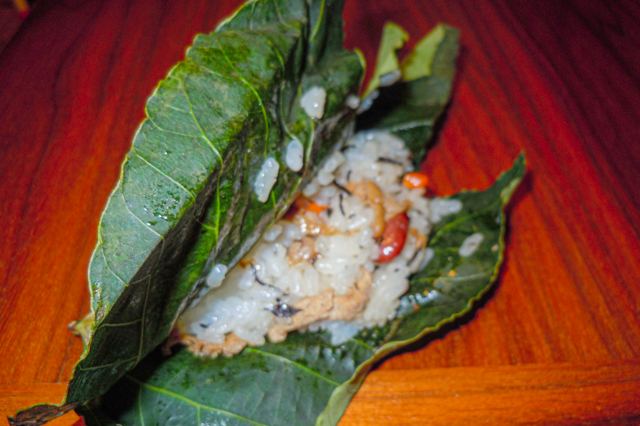
"The leaf is" is "the rose wrapped in the leaves of the corn daisy tree. This abrasive saw was grown in the south of the Yangtze River, from China, but it was promoted in Japan because of its oil called "screw." This soy sauce was also a raw material, such as oil for heating oil, an umbrella lubricant, candles, and so on, and was a valuable source of income. In the late 17th century, it grew in most villages, especially in the young regions. It was the largest production in the country in the late 19th century. This oily leaves on the surface have a distinctive smell that makes it difficult for rice to get into. It was also planted in each home, sometimes locally called "swallow leaves," because it was also excellent for preservation. It's the wisdom of the person before you to allow a "sing" to last even a day. Even now, the custom remains, and you can see abrasives in the garden and in the fields.
When It Is Eaten
(It used to be possible to use abrasive leaves until May or November, but in recent years they were frozen and used at any time.) You can make it by sitting together at the plate, at the fall festival, or at any other point of the law. The daughter who made it for the spring fall festival and who went to marry her came to the festival and gave it to her when she left. It's wrapped in leaves, so I can eat my hands without getting dirty.
How It Is Eaten
Add sweet soups, such as peas on a golden time, and soon dry, thin, carrots, and other soft foods to your body, and wrap them gently one by one with abrasive leaves.
Recipe — Serves 4
Ingredients
- 2 × 180 ml rice
- 6cm dashi kelp
- sushi vinegar, to taste
- 4 dried shiitake mushrooms
- 10 g freeze-dried tofu (koya-dofu)
- 100 g boiled bamboo shoot
- 1 thin aburaage (fried tofu)
- 3 tbsp eclipse Water
- 1/4 carrot
- Kintoki beans, to taste
- 10–15 アブラギリの葉
- Mix: 1 cups しいたけもどし汁
- Mix: 3 tbsp sake
- Mix: 2 tbsp mirin
- Mix: 3 tbsp soy sauce
- Mix: 2–3 tbsp sugar
Method
- If you want to dry, put a lot of water on the dryer, slowly return it, and cut it fine. The soup is used in the soup.
- Hano Tofu is cut in half and cut fine. It's easy to use a fine - tofu commercial store in advance.
- I'll cut the fried chicken into four squares. I'll cut a kite into two times a centimeter. I'll cut the carrots in slices too.
- Cook the prepared citrus 3 and the next yuzu until the soup is low in taste A.
- When you cook rice, add gravy, boil it, mix it with vinegar, and make it into rice.
- I mix four ingredients into vinegar rice with the right amount, and then lastly mix the beans so they don't break in gold.
- Put six on the abrail leaves and double them in half and hold them with both hands.
Dish data: Ministry of Agriculture, Forestry and Fisheries (MAFF), “Uchi no Kyodo Ryori” (Our Regional Cuisines) database, used under the Public Data License (PDL1.0); translated and adapted from the Japanese original.