Kashiwameshi かしわめし
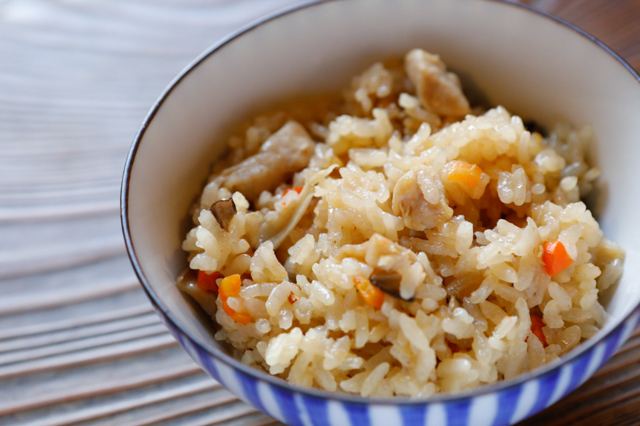
| Prefecture | Fukuoka (福岡県) |
|---|---|
| Region | Kyushu & Okinawa |
| Japanese name | かしわめし |
| Home area | All within the province. |
| Main ingredients | We've got rice, chicken, chicken, carrots. |
History and Origins
In the Kyushu region, chicken is called "screw," and in cooked rice, it is called "scrolling" a local dish with a mixture of seams and materials. It's a regular home dish made from homes and dining rooms in all the old Fukuoka Prefecture areas, and it's also eaten on special days, such as festivals, athletics, and Hale's Day. The "Sweeting" which is loved more than the old station's valves is now considered by the media and is a masterpiece of Fukuoka. The chicken used in "scrolling" is a characteristic of the Fukuoka Prefecture hen with many "goats" and muscley, toothy, and the more tasty it is to bite. Also, the meat of the "Go home" meat contains anti-cerin and caloxin, which are expected to prevent a decline in cognitive function, and is recognized as a product of the Consumer Office's function.
When It Is Eaten
In addition to being eaten as a daily food, they are eaten by the public as well as by the festival and the Hare days. And outside the province, the "Sweeting" station is widely popular and can be purchased by the JR main station in North Kyushu, as well as by department departments.
How It Is Eaten
I'll mix cooked rice with a mixture of chicken, vegetables and other ingredients. The "screw" of the feeling is either cold or delicious and eaten in a cup.
Recipe — Serves 4
Ingredients
- 1.7 × 180 ml rice
- 120 g chicken thigh
- 60 g burdock root
- 60 g carrot
- 4 dried shiitake mushrooms
- 4 tbsp shiitake soaking liquid
- 1 tsp sesame oil
- Mix: 4 tsp sake
- Mix: 4 tsp sugar
- Mix: 4 tsp mirin
- Mix: 4 tsp soy sauce
- 12 g green onion
Method
- I cook rice as well as the same amount of water as rice. Every thirty minutes I cook it normally.
- The chicken is cut into smaller cuts, the cucumbers are cut into small slices, the oysters are cut into small pieces, and the carrots are cut into strips. The drying process is returned to the twice as much water as the sauce, so it is returned to the water, water it, and finely cut except for the stone. I'll keep the soup.
- I can heat fried bread in a medium fire, put in sesame oil, and roast chicken meat.
- If the chicken is cooked, I can cook it with potatoes, carrots and dried chicken.
- Add a seasoning A and a dry dish and boil it in a weak cooking pot.
- When the rice is ready, add five, mix it, and add all the extras.
More About Kashiwameshi
Kashiwameshi(かしわ飯、かしわめし), also known as kashiwa-meshi or "chicken rice", is a traditional rice dish widely consumed in the Kyushu region of Japan, particularly in Fukuoka and Saga Prefectures. It is a type of seasoned rice dish (takikomi gohan) made by cooking rice together with chicken (kashiwa) and vegetables.
Overview
Kashiwameshi is prepared by simmering chicken with vegetables such as carrots and shiitake mushrooms, then mixing the seasoned ingredients with rice. It is a well-established local specialty in the northern part of Kyushu, especially in the prefectures of Fukuoka, Saga,Oita, and Kumamoto, where it is commonly prepared in homes and served at diners and casual eateries.
The dish is often eaten during festivals, celebrations, and other special occasions (hare no hi). It is also popular in the form of rice balls (kashiwa onigiri), and has become a staple of the local culinary culture.
Even today, kashiwameshi remains a familiar home-cooked dish passed down from parents to children. It is also served in school lunches, making it popular among younger generations. In addition to being available at restaurants, it can be found at convenience stores and supermarkets, making it an easily accessible food. It is also widely sold as an ekiben (train station bento), with kashiwameshi bento being a well-loved option for travelers.
In Fukuoka Prefecture, the local free-range chicken known as Hakata jidori(博多地鶏) is often used in its preparation. Hakata jidori is known for its firm texture and deep flavor, which intensifies the more it is chewed. Its breast meat contains bioactive compounds such as anserine and carnosine, which are believed to help prevent cognitive decline. Because of these properties, Hakata jidori has been recognized by the Consumer Affairs Agency of Japan as a food with functional health claims.
History
The origins of kashiwameshi are believed to date back to the Edo period. Following a series of famines during this time, the ruling Kuroda Domain (which governed the Fukuoka region) promoted poultry farming as a means of securing revenue. This policy contributed to the development of chicken-based culinary traditions in the region, one of which was kashiwameshi.
The term kashiwa as a synonym for chicken in Kyushu is thought to have originated during the Edo period, when meat consumption was prohibited under the Shōrui Awaremi no Rei (a series of animal protection edicts). At that time, euphemisms were used to refer to animal meat. The name kashiwa is said to have derived from the resemblance of the chicken's feather coloration to the autumnal leaves of the oak tree (kashiwa in Japanese). This usage is still common in western Japan, where the dish continues to enjoy broad popularity.
Text adapted from the English Wikipedia article Kashiwameshi by its contributors, licensed CC BY-SA 4.0.
Dish data: Ministry of Agriculture, Forestry and Fisheries (MAFF), “Uchi no Kyodo Ryori” (Our Regional Cuisines) database, used under the Public Data License (PDL1.0); translated and adapted from the Japanese original.