Home / Shimane / Koinoitozukuri
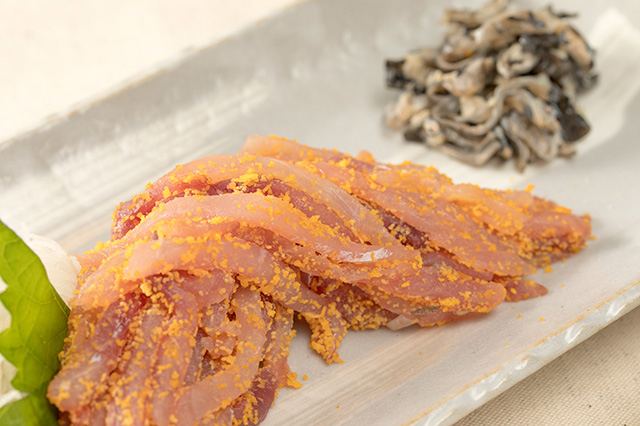
Koinoitozukuri 鯉の糸造り
| Prefecture | Shimane (島根県) |
|---|---|
| Region | Chugoku |
| Japanese name | 鯉の糸造り(こいのいとづくり) |
| Reading | Koinoitozukuri |
| Main ingredients | And they're all very different. |
History and Origins
In a sea of fresh water mixed with seawater, where Shimane Prefecture and Tottori Prefecture are combined, many fish species can be obtained. "Of all the things that are known as "the sea cucumber, the giant egrets, the daisies, the crayfish, the seafish, the sea cucumbers, the sea cucumbers, the sea cucumbers, the sea cucumbers, the sea cucumbers, the sea cucumbers, the sea cucumbers, the sea cucumbers, the sea cucumbers, the sea cucumbers, the sea cucumbers, the sea cucumbers, the sea cucumbers, the fish, the fish, the fish, the fish, the fish, the fish, the fish, the fish, the fish, the fish, the fish, the fish, the fish, the fish, the fish, the fish, the fish, the fish, the fish, the fish, the fish, the fish, the fish, the fish, the fish, the fish, the fish, the fish, the fish, the fish, the fish, the fish, the fish, the fish, the fish, the fish, the fish, the fish, the fish, the fish, the fish, the fish, the fish, the fish, the fish, the fish, the fish, the fish, the fish, the fish, the fish, the fish It is said that because of its relatively little salt content, many fresh fish fish fish are fished, and some of them are big fish, nearly 20 kg. Generally speaking, they can be eaten with a bath or a bath. The Making of the Sung is a pre-sex by the emperors and generals from the Meiji period, and it is now the winter home dish of Matsue City, which flourished as a castle town. She has three pieces of koi and wears them with a cut into a long thread. It's said that he was taught how to make Japanese food from a peace age. It's offered on a long, thin piece of koi knife after putting the roasted koi eggs on it.
When It Is Eaten
Koi is a good pick during the cold months of December through March. In April and May, when the eggs are laid, they are delicious. It is said that after that, you will lose weight and lose taste. There are reports that eating koi will improve the milk production of the mother, and in the past, it was also a rare ingredient for fertilizing. It used to be an essential dish for celebration, but now it's less likely to be offered than it is to change diet.
How It Is Eaten
Put the koi down three pieces, take the stomachbones and the clenched bones, and cut the length of the body. Then we cut it into thin strips and long threads. The eggs on the koi's knife are soaked in salt and washed and served in a pot. If koi eggs aren't available, they may be eaten using a number of children or roasted eggs. One of the features of "The Making of the silk" is the "Cooking Wine" with its tatters. In the past I used to use a rich sweet wine for roasters, but now it's hard to get it without enough supplies. I reproduce wine by mixing wine, soo, soo, soy sauce, salt, rice, and so forth.
Recipe
Ingredients
- コイ 半身
- fish roe (egg yolk), to taste
- sake
- mirin
- soy sauce
- salt
- rice, to taste
- 1 umeboshi (pickled plum)
- bonito flakes, to taste
Method
- Take the scales of the koi, take the head off, and drop them into three pieces.
- Put down the skin of the ground koi, and it is about two millimeters thick, so it is paper-sized, and it is cut and thread-like.
- Put Kou's eggs into a bowl and salt them and wash them with water and water them.
- There's hot water, cut water, dried it, and dried eggs can be added to the stringed koi.
- The ground hide has hot water in it, and it is added to the fine sawing process.
- I'll wrap the rice in gauze and boil about 20 percent of the whole. Just before I stop the fire, I put in the flowerpot and shut it down and put it on.
Dish data: Ministry of Agriculture, Forestry and Fisheries (MAFF), “Uchi no Kyodo Ryori” (Our Regional Cuisines) database, used under the Public Data License (PDL1.0); translated and adapted from the Japanese original.