Koinokarāge 鯉の唐揚げ
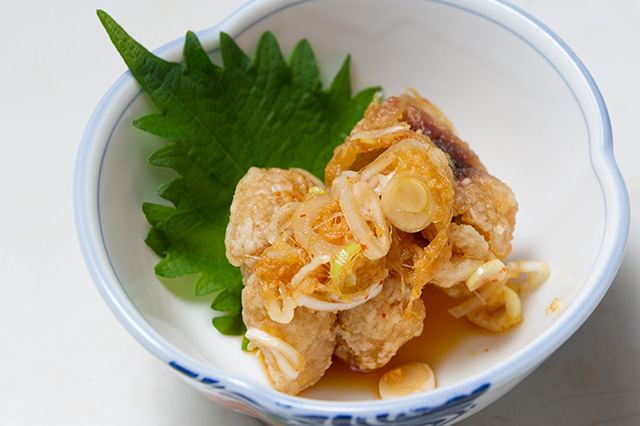
| Prefecture | Ibaraki (茨城県) |
|---|---|
| Region | Kanto |
| Japanese name | 鯉の唐揚げ(こいのからあげ) |
| Reading | Koinokarāge |
| Home area | South. |
| Main ingredients | Kou. |
History and Origins
In the second largest lake area in the country, Saasaura, Koi began to thrive, mainly in Northern Ireland, about 40 years ago. Koi has long been known as Thailand's finest fish; in Nara, and in peace, among the royal and noble. After that, it was passed on to the common folk and various koi dishes were introduced. It has been reported that koi becomes a dragon when you climb the ladder and is the beginning of a successful career. Since they were also well-fed fish, there were occasions when they were celebrated, such as consensualizing, and the custom of feeding pregnant women. Koi's growth in Koyaura takes from one to three years to grow. The first-year koi is often used in the sashimi dish called "Creaky Cherry" because the skeletons are hard to reach. Also, a female between two and three years of age has eggs, so she's suited for such dishes as "Smell of Soy sauce." Because you can get various sizes of cucumbers, it is thought that other koi foods, such as "coo" and "coo soup," were absorbed. One of the most popular fish food from children to adults today is "Founding the Snack."
When It Is Eaten
Since farming is not particularly season-based, it is eaten throughout the year. "The pepper cake" can be fried to the bone, so it's popular with children. It's also adopted in the school food menu.
How It Is Eaten
A piece of flour is placed in the kew cut and fried with oil. Depending on how you make them, depending on the home and store, it's easy to mix the koi and fry them and then cook them and then feed them. The important thing in koi food is to make sure that it smells raw. Washing the water over and over again will make the smell off. Since hot water can change the flavor at this time, it is important to be sure that water will rise. Also, if you start with a koi, use a live koi because it's important to keep it fresh. And it's the point not to hurt the internal organs. When bile or undigested food is eaten, you need to be very careful, for it will give off odors and discoloration.
Recipe — Serves 4
Ingredients
- 200 g fillets
- 1 tbsp 1/2 potato starch
- as needed oil for frying
- Sauce: 45 ml soy sauce
- Sauce: 40 ml vinegar
- Sauce: 45 g sugar
- Sauce: 1 tsp sesame oil
- Sauce: 10 g ginger (grated (daikon etc.))
- Sauce: 1/5 tsp one pack
- 20 g long green onion
Method
- After skinning the dog with a stain, I dropped three pieces of koi.
- To make sure that you can eat even the small bones, I'll put a knife in the knife to cut off the small bones that are in the meat and cut them into thin pieces.
- I'll put on a piece of flour and float it.
- Put the roast into a pot, heat it up, and put the freshly fried koi into it.
- I'll accompany you in gray hair.
Dish data: Ministry of Agriculture, Forestry and Fisheries (MAFF), “Uchi no Kyodo Ryori” (Our Regional Cuisines) database, used under the Public Data License (PDL1.0); translated and adapted from the Japanese original.