Niai 煮合い
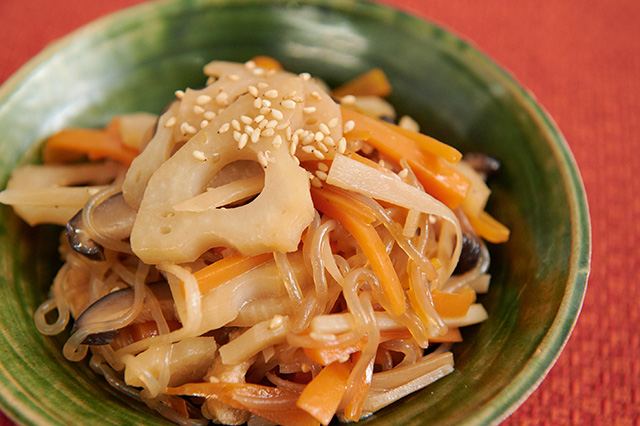
| Prefecture | Ibaraki (茨城県) |
|---|---|
| Region | Kanto |
| Japanese name | 煮合い(にあい) |
| Reading | Niai |
| Home area | I'm going to get you to the state. |
| Main ingredients | I'm going to do it again. |
History and Origins
Ibaraki Prefecture has a national top class of agricultural land area, and a lot of vegetables will be harvested throughout the year, such as peas, cucumbers and so forth. Especially on the lake side of Kosakaura, there is a good growth in the growth and the volume and production of the cinnabars as well as Japan's best. In these vegetable kingdoms, Ibaraki Prefecture, local vegetable dishes are still used, and one of them is "boiled." The "sooking" is a local local dish in the downtown area, located east of Mito City. History can be made from food, a product of Ibaraki Prefecture, such as old age, cider, and so on. Although there are many theories about the name, it is said that the word "boiled" came to be called "boiled" from" In many places, such as "Let's go to Fukuoka's Day of the 19th," he was treated as a welcome dish. Cooking is not sold in supermarkets or anything, but a dish made mainly from home. There are simple recipes, but there are differences in materials and flavorings in the home.
When It Is Eaten
We can't afford to do this. We can use a lot of food that is easily available locally. Originally, they were eaten as a necessary native dish on a crowded Halle day, such as New Year's Day, around Mito City. They are eaten regularly because they can be eaten with vinegar. It's also offered at the wedding feast, and when it's a Buddhist thing, I'll finish it with white food without carrots.
How It Is Eaten
Cut-out carrots, boiled potatoes, fried potatoes, fried oils and so on, served with soup, soy sauce and so on, and then served with vinegar and finally with vinegar. It is characteristic to boil with only seasoning and vegetable water. The flavor of the soup and the taste of vinegar are good, and they are delicious and eat with a white egg on with their taste.
Recipe — Serves 4
Ingredients
- 200 g burdock root
- 100 g carrot
- 100 g lotus root
- 5 dried shiitake mushrooms
- 1 heads shirataki noodles
- 1 aburaage (fried tofu pouch)
- 3 tbsp oil
- Mix: 4 tbsp soy sauce
- Mix: 1 tbsp 1/2 sugar
- Mix: 2 tbsp vinegar
- 1/2 cups dashi stock
- 2 tbsp white sesame seeds
Method
- Put the dried grain back into the water and cut it fine.
- I'll cut the fat into four pieces and cut the thin ones into half and cut them into slices.
- The carrots are cut into matchsticks.
- The oil is poured in boiling water, finely cut, and the sauce is poured in boiling water with salt.
- Oil the pot, rice, carrots, potatoes, oil, oil, oil, stir, cook, cook, boil in order of sauce, soup, and soup.
- If you get a boil, add vinegar and mix it well, seal it tightly and stop the fire.
- I'll leave it like this until the next day, transfer it to another vessel, and then put a white coat on it.
More About Niai
The soup is from the lower city of Ibaraki PrefectureZQQ071XEEX. It's an inveterate dish with roots.
Overview
Ibaraki Prefecture has a top-class crop in Japan, and a lot of vegetables are being harvested throughout the year, such as rencon, gobow, onions and so on. In particular, Remcon growing near Lake Koura is growing so well that Rincon's production and production are both first in Japan. Local dishes that are made from vegetable vegetables in these places are rooted into modern times and can be said to be one of them.
Cooking is a local food in the downtown area, which is located in the east of Ibaraki PrefectureXQQQ071XXXXXXXKXXXX and the start point of the river road, and has a long history.
Food opportunities.
It is mainly a family dish, and the cooking process is simple, but it is a model of how to make it, and the materials and flavors used vary from home to home. The flavoring with vinegar, and even the daily wear, is eaten regularly.
I was treated as a welcome dish for the Fukuoka God, the god of cheap birth and child rearing on the 19th of every month. In addition to that, New Year's and the celebration seats have been eaten as essential native food on a crowded Halle day.
In addition, the ceremony is held at the wedding ceremony, but when a Buddha does something, he doesn't use carrots, and doesn't finish it as white food.
In Ibaraki Prefecture, it is also provided as a primary school feeding.
Origin of Name
Although the name comes from many sources, the word "sour" comes from the word "sour" by "salted."
Example of how to make
For example, prepare the ingredients properly, oiling is oiled with hot water, dried and dried with water, and so on. A lot of vegetable oil can be heated in a pot and cooked. When the food is filled with oil, add the dish to the dish with the dry seash, the oil, and sugar. If you boil as much as the goubau will boil, add vinegar, close the lid, stop the fire and steam it.
Text adapted and translated from the Japanese Wikipedia article 煮合い by its contributors, licensed CC BY-SA 4.0.
Dish data: Ministry of Agriculture, Forestry and Fisheries (MAFF), “Uchi no Kyodo Ryori” (Our Regional Cuisines) database, used under the Public Data License (PDL1.0); translated and adapted from the Japanese original.