Home / Yamanashi / Kōshūkōmezuke
Kōshūkōmezuke 甲州小梅漬
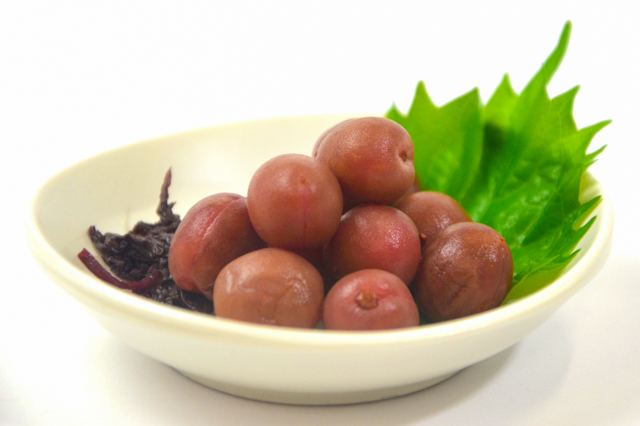
| Prefecture | Yamanashi (山梨県) |
|---|---|
| Region | Chubu |
| Japanese name | 甲州小梅漬(こうしゅうこうめづけ) |
| Reading | Kōshūkōmezuke |
| Home area | In fact, it's not just the North, the East, and the South. |
| Main ingredients | So, what do you do? |
History and Origins
The Oyster's Omum, from Yamanashi Prefecture, harvests the temmium of the Omama, which is a product of Yamanashi Prefecture, while it is still blue in the season, so that the stuff will be finished in late May. Especially on the Coastal basin, a climate with its peculiar cold and warm climate is suitable for pyres, and because the seeds grow thick in the meat, there is a small grain but edible. With the decline of the feeding plant, the growth of the plums increased. In recent years, homes have been reduced in productivity due to roadization and aging, but it is still said that the production of small plums is proud of Japan's best. In the late Edo period, records have even been preserved as special state products. It was created by trial and error with such things as food, salt and so forth. It is characterized by "sucking" and storing it in vinegar, so that it doesn't dry out in the sun like the usual rainy season.
When It Is Eaten
They're eaten through the year to save more.
How It Is Eaten
I'll take a good amount of water and take a bit of a rough spot in the Omama, and I'll salt it until it gets blue. Put a well-washed, dry egg shell in a bag and then place it in the bottom of the container. Put a heavy stone on the plum and salt it until it comes up. The shell of an egg is a natural organic ash that makes the plums a pleasant aroma. Then you can mix salted reds, rice, rice, baked rice, and so on. You can store them in a refrigerator and eat them after about a month or so. Of course it's eaten as rice or tea, but it's also used in unexpected dishes, such as snacks, teas, sauces, sauces, and Japanese pasta depending on the weather.
Recipe
Ingredients
- 2 kg ume plum
- 200 g(10%) salt
- 15 egg
- 4–5 bunches(400 g) shiso
- 40 g(10%) salt
- 100 ml rice vinegar
- 35%) 80 ml shochu
Method
- Ume puts a full night in the water she was washing, removes the ak, and cleans up the water, and makes a bad name for herself.
- Put the plums and salt in the container and stick the salt in until the blue of the plums increases.
- The eggshells are washed well, dried, put in a bag of gauze, crushed and put in the bottom of the container.
- Put a lid over the plum and place it in cold and dark until the white plums are up.
- The red-collars pick leaves and wash them, add a little salt in the amount, put out a pot, heat up the juice, and add 4 leaves. In addition to vinegar and broth, a mixture of vinegar and broth is used to cover the surface with a wrap, cover the surface, and store it in a refrigerator. Once you've set it up for a month, it's about time you eat it.
Dish data: Ministry of Agriculture, Forestry and Fisheries (MAFF), “Uchi no Kyodo Ryori” (Our Regional Cuisines) database, used under the Public Data License (PDL1.0); translated and adapted from the Japanese original.