Kujiramochi くじら餅
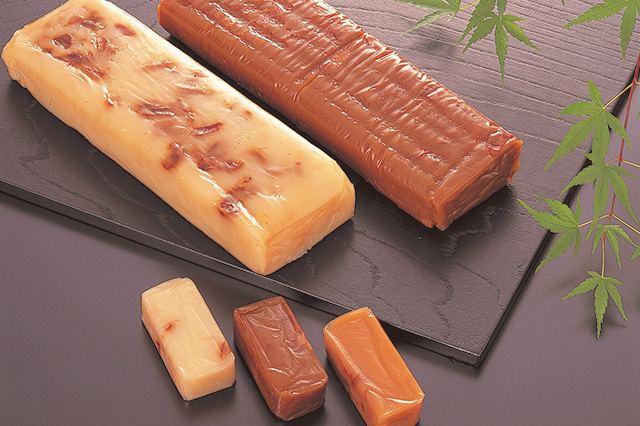
| Prefecture | Yamagata (山形県) |
|---|---|
| Region | Tohoku |
| Japanese name | くじら餅(くじらもち) |
| Reading | Kujiramochi |
| Home area | Top-Santa-Mama. |
| Main ingredients | It's a very simple process. |
History and Origins
The name "Found" is not used in the ingredients, but it does not use fried meat. The name comes from various theories. There are many theories, such as the theory that the preservation is so long-term good that it has been named "The Long-term Fog" and that it was once bigger than it is today, and that it was so much smaller than it is today, that it was similar to the salt rod in which the eye was salted with the skin of the lottery. There are also some theories about origins, and since the theory is so powerful that it was built as a food food food during the time of Edo 300 years ago, it is said that new cities in the highest part of the world were born.
When It Is Eaten
There is a custom of offering "Friends" with a bowl on a large plate and before the altar. Local people celebrate spring's visit while eating this. In the past, it was common for families to have their own homes, and it was a pleasure to eat their own "frozens" among neighbors. In particular, the area around the city of Shinichi, which is the cradle, is said to have all the proud men who built "Foose." In many houses, they say, some houses used half-breast of rice. I heard that in the past we used our own rice to be ground to powder in local mills, but we had to prepare from his shore in the spring before we could make up for the peach phrase. Even now, "Foot-roo" is made by hand around the rural area.
How It Is Eaten
The basic method of making is still the same today. The basic ingredients are rice flour, sugar, and chlorophyll. Tastes vary from region to home, from white sugar to black sugar to soy sauce, taste, taste, and condensation. Since you can eat as well as you like, while soft, you can eat as good as you like, but you can just leave it as it is. You should wrap it in a lap when you save it. If you keep it frozen, you can melt it and eat it easily whenever you like. If you become hardened, it is recommended that you cut it into 1cm wide and roast it with fried bread or an oven toaster and eat it. It's delicious and delicious to enjoy the flavor.
Recipe
Ingredients
- 10 cups glutinous rice flour
- 2 cups rice flour
- 100 g shelled walnuts
- Mix: 1 tsp salt
- Mix: 600 g brown sugar
- Mix: 5–6 cups water
Method
- A is on fire, and the black sugar is melted and the heat is taken off.
- Rice flour and ferret flour are well mixed. Add a little rice powder to the one and stir it well. I'm not sure if I'm going to be able to do this.
- I'll put it to bed overnight. (Before it is steamed, then we will do it again on the top of the tree.)
- Wet in a milk pack of lote, we can spread a water-stuffed quinntle and rip it out. (BREATHING)
- Put three rices in and put enough steam in a steamy pan and steam them with a 40-per-hour fire. (Sniffle-only sinks are high and it takes about two hours to evaporate.)
Dish data: Ministry of Agriculture, Forestry and Fisheries (MAFF), “Uchi no Kyodo Ryori” (Our Regional Cuisines) database, used under the Public Data License (PDL1.0); translated and adapted from the Japanese original.