Kurenonimono 暮れの煮物
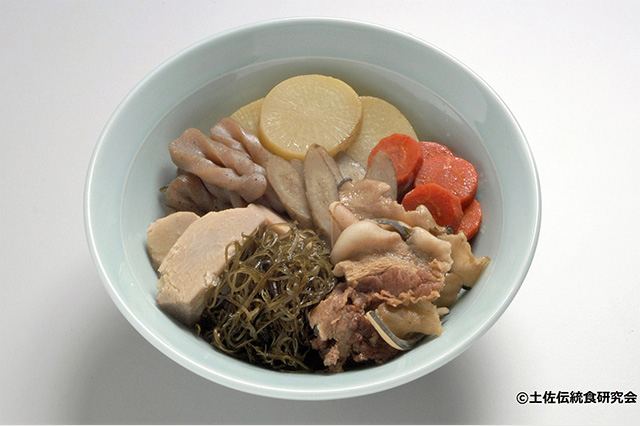
| Prefecture | Kochi (高知県) |
|---|---|
| Region | Shikoku |
| Japanese name | 暮れの煮物(くれのにもの) |
| Reading | Kurenonimono |
| Home area | All within the province. |
| Main ingredients | I'm not going to be able to do that. |
History and Origins
The local dish that we eat over the years at Kochi Prefecture is "The deep" with fried meat. This was eaten with all the wish that by eating something as big as a lottery. In the time when lots were easily available, it was customary to see the fish shop rowing around on New Year's Eve. In the mountains, it was an essential food material to use, so much so that it would be called "coo" dry. The city of Tajikichi was responsible for the well-known lottery culture. The lote cross the harbor when they travel north and south across the Pacific. After observing the period, a fishing group called the whale crew set up a whale. It is also known as the cradle of the mainland whale, and it is believed that whalers began during the early Edo. The whale whale in Tsunami lasted more than 300 years until the 11th anniversary of Showa. The Bay of Saturn is still a race for the lottery, and so are the hoer watching.
When It Is Eaten
The late stew is also accustomed to being a brand new product, and the custom is still to eat fried stew over the year. In the area around which whalers were born, fried food was regularly eaten.
How It Is Eaten
Lots are often red, and stomach and tongue are treated as a rare treat, and few of them go to waste. Not only the stew, but the stinging flesh has been eaten by semi-refrigerated freezing, and you can experience a refreshing sense of food. There's a wide range of variations, such as "Founded Dragons" and "Kari-Hika" prepared with water plants. I know how to cook it in stew with traditional vegetable yuzu. When you cook it, first cook the lottery in a pot. This time I'm going to take it for granted. If you boil too long, the meat becomes tender, so look at the timing and let it out. Add soy sauce, garlic, sugar, and taste, and cook again, with the main root, carrots and garlic that you cooked. When the vegetables are cooked, we finish the finishing process with fried meat and threading.
Recipe — Serves 8
Ingredients
- 200 g lots
- 500 g) 大根 半本
- 1(100 g) carrot
- 1–2(100 g) burdock root
- 3–4(200 g) taro
- 1 blocks(250 g) konnyaku
- 20 g kelp (konbu)
- cooking (くじらが多ければ不要)
- 4 cups water
- 1/3 cups soy sauce
- 4 tbsp sugar
- 2 tbsp sake
Method
- The carrots and the lily potatoes are peeled and cut into their desired shape. The bladders wash with a peel, cut and dip in the water. Cut it into a one-centimeter-sized handline.
- The lote cut a slice in a bite, boil it out of the water, stir it in a pot and throw it away.
- When the pot is gone, I'll put cut vegetables and garlic in, boil, and threaded fabric.
- I'll finish it with soy sauce, sugar, and wine.
Dish data: Ministry of Agriculture, Forestry and Fisheries (MAFF), “Uchi no Kyodo Ryori” (Our Regional Cuisines) database, used under the Public Data License (PDL1.0); translated and adapted from the Japanese original.