Taganemochi たがね餅
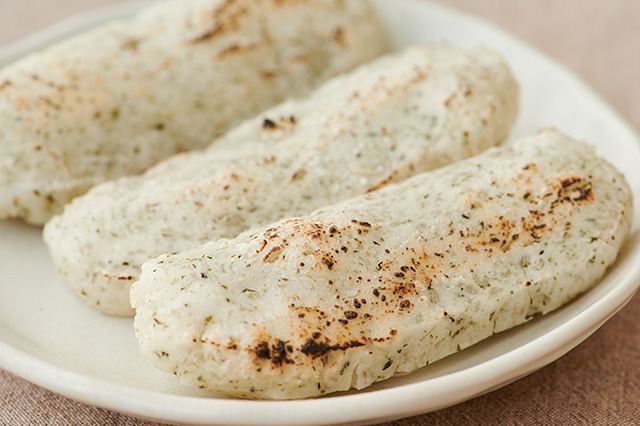
| Prefecture | Ibaraki (茨城県) |
|---|---|
| Region | Kanto |
| Japanese name | たがね餅(たがねもち) |
| Reading | Taganemochi |
| Home area | Southern, deer. |
| Main ingredients | rice, rice, rice. |
History and Origins
The countryside still spreads, and the country's most famous rice is Ibaraki Prefecture. With the mild climate and rich water to live through the year, Ibaraki Prefecture has been grown from old to green. Also, in Ibaraki Prefecture, based on rice alone, the rice crop has been growing for many years. Rice is used not only for raw food but also for red food and risers, and is often eaten on New Year's Day, such as New Year. One of the most common dish known for those Ibaraki Prefecture is "Createn" It's said to be the ancient language of the Chinese word for "susten" when it was soaked in rice. "But" is a local dish eaten in a wide range of Ibaraki Prefectures, centered around southern Ibaraki Prefecture. It is said that since in southern Ibaraki Prefecture, it is the second largest lake in the country, and is surrounded by the subdivisions of the river Hausura and Haga River, there are many varieties of rice and rice that are rich in abundance and cane. "But I can mix rice with rice which I eat as rice." It can be eaten by flat, baked, or fried in an ellipse like this. "But in the 'Single', they put beans, blues, and so on, and made various tricks by different family groups. In the city of Ishioka, Iwaoka, it is traditionally made up of blue wax. In the northern district of the province, the Okoko put beans and white dogs in the fields and in the deer region, in the Kajita district, and in the Kajita district, they put fruit in the fields. There seems to have been each "but" in every part of the province.
When It Is Eaten
As with other rice plants, in the year it is best eaten in New Year's, and in addition to New Year's, it's also sold at candy stores in Iseoka City and is eaten daily. Even now, as New Year's approaches, many of the supermarkets and roadside station stores will line up.
How It Is Eaten
Washed and watered overnight, as well as dried rice that is cooked for an hour, and steamed with a steamer for an hour. Then I'll mix the blue, salt, white, and so on, with a cicada, and then I'll make it into a mold. Before it's too hard, cut it into about an inch thick and eat it. If you eat it, you have a sense of rice taming and beans eating and teeth responding. I'll also enjoy the flavor of seaweed again. They often eat simple food with a citrus oil, but they can also be put into the soup. A thin cut "but" can be fried and eaten like a rice sauce.
Recipe — Serves 10
Ingredients
- 3.5 × 180 ml glutinous rice
- 1.5 × 180 ml regular rice
- 2 tsp(10 g) salt
- 3 tbsp 1/3(10 g) aonori seaweed
- 2 tbsp(20 g) white sesame seeds
- dusting flour (potato starch), to taste
Method
- Wash rice and wash it overnight. Put it in water for an hour.
- Then cut the water together and steam it for an hour.
- I'm going to mix salt, blue, and white with a seam.
- I'm going to put the powder in the mold and dust it.
- I'll cut it into about an inch thick before I have to wait for it. If you become hardened, you'll burn and eat.
Dish data: Ministry of Agriculture, Forestry and Fisheries (MAFF), “Uchi no Kyodo Ryori” (Our Regional Cuisines) database, used under the Public Data License (PDL1.0); translated and adapted from the Japanese original.