Botamochi おはぎ
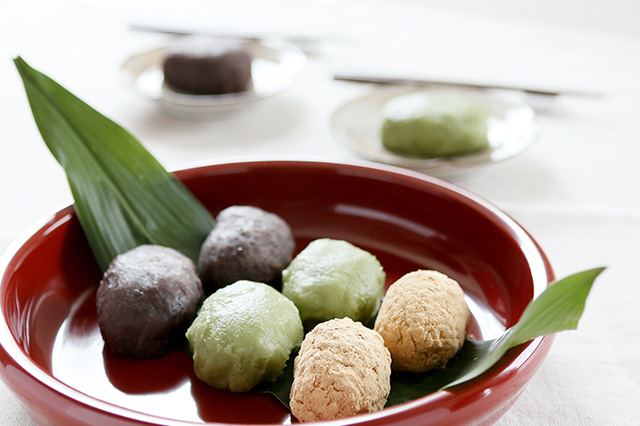
| Prefecture | Kyoto (京都府) |
|---|---|
| Region | Kinki |
| Japanese name | おはぎ |
| Home area | The whole area. |
| Main ingredients | rice, beans, peas. |
History and Origins
"The Haka" is a popular word in many parts of Japan. Red beans is considered old-fashioned and has been introduced to the dishes of various seasonal events. It is said that the "gooses" that came to be on his shores in spring and fall led to the giving of thanks to his ancestors by serving beans that had magical effects and foods that were still valuable at that time. "Aki" is also called "Aki," but it comes from various sources. Typical is that spring is called "breast," and autumn is called "sing" in the season. It is said that the fall was always a flower because of its appearance at that time. Kyoto is a favorite of the beans used for "gooses," and especially the Japanese haiku bean is known throughout the country as a brandy bean. It is grown mainly in terraces across mountains in the middle and southern regions of the country, and has a hot morning and evening climate all year round, and grows sweet, green beans with beautiful green hats and lentils. It is said that Japanese peas are named after a highly high-pronounced haiku so that when they are boiled, their skin can be so thin that they can't be cut out of the stomach.
When It Is Eaten
Mainly during his spring and fall shore, he was made to serve his ancestors. They're also eaten in large groups of people, including festivals and celebrations. The custom of eating during his shore is still in play, but even in everyday life, it is eaten as one of the sweets.
How It Is Eaten
If you make the rice rice a mold so that it leaves the rice, you'll wrap the beans in it. When you wrap a pea jar, it's easy to wrap it in a wrap. The box is full of ovens, and besides the grain of the royal beans, it's popular. We also have a "Aki" in the center of rice and a "Aki" in the middle of rice and a taste of beans in the bowl around us.
Recipe
Ingredients
- 3 × 180 ml glutinous rice
- 300 g azuki bean paste
- kinako (roasted soybean flour), to taste
- 1/2 tbsp salt
Method
- I'll keep rice in the water an hour before I cook it. Add salt and boil.
- I'll round the beans into four, six pounds each, and 15 grams for the mushrooms.
- The rice is ground with a saw to make it stick. I'll split it up into ten pieces, sit down, and put on the beans. I'll put some beans in the box and put them in the vase. When Arman is outside, spread the garlic in the lap and wrap it around a corner. Cooking paper will wrap it up clean for fun.
More About Botamochi
Botamochi (ぼたもち or 牡丹餅) is a wagashi (Japanese confection) made with glutinous rice, white rice (ratio of 7:3, or only glutinous rice), and sweet azuki paste (red bean paste). They are made by soaking the rice for approximately 1 hour. The rice is then cooked, and a thick azuki paste is hand-packed around pre-formed balls of rice. Botamochi is eaten as sacred food as offering during the weeks of the spring and the autumn Higan in Japan.
Another name for this kind of confection is ohagi (おはぎ), the origin and meaning of which is a subject of debate, with some saying that ohagi uses a slightly different texture of azuki paste but is otherwise almost identical. It is made in autumn and some recipe variations in both cases call for a coating of soy flour to be applied to the ohagi after the azuki paste.
The two different names are, some people say, derived from the Botan (peony) which blooms in the spring and the Hagi (Japanese bush clover or Lespedeza) which blooms during autumn.
Botamochi is the modern name for the dish kaimochi (かいもち) mentioned in the Heian period text Uji Shūi Monogatari (宇治拾遺物語).
The proverb Tana kara botamochi (棚からぼたもち), literally "a botamochi falls down from a shelf", means "receiving a windfall", "a lucky break".
The term is also used for a specific pattern of Bizen ware with two, three or five round marks, as if the marks of the small balls of rice cakes were left on the plate.
Text adapted from the English Wikipedia article Botamochi by its contributors, licensed CC BY-SA 4.0.
Dish data: Ministry of Agriculture, Forestry and Fisheries (MAFF), “Uchi no Kyodo Ryori” (Our Regional Cuisines) database, used under the Public Data License (PDL1.0); translated and adapted from the Japanese original.