Home / Ibaraki / Pīnattsumiso/rakkaseimiso
Pīnattsumiso/rakkaseimiso ピーナッツ味噌/落花生味噌
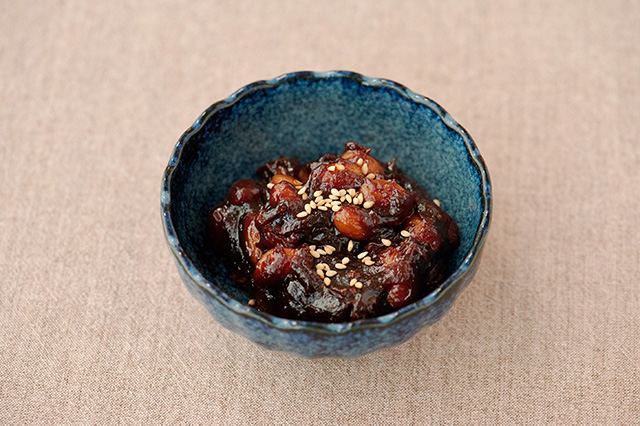
| Prefecture | Ibaraki (茨城県) |
|---|---|
| Region | Kanto |
| Japanese name | ピーナッツ味噌/落花生味噌(ぴーなっつみそ/らっかせいみそ) |
| Reading | Pīnattsumiso/rakkaseimiso |
| Home area | All within the province. |
| Main ingredients | You're a florist. You're a taster. |
History and Origins
Although the fallen flower is called the "Ninkino beans," and it has been reported to Japan around Edo, it has been seriously grown since Iseji's time, and it has become a relatively new kind of bean. The Ibaraki Prefecture comes from Chiba Prefecture and others famous, but they make up most of the country's production in both states. Generally speaking, they often roast and boil and eat as they do. The peanut taste is a traditional native dish with a Ibaraki Prefecture, which is a popular popular favorite of the flower family. Farmers are said to have invented it as a way to use physicians who don't go to market. Even now, in the home, when you get more than you can eat, many families have their favorite flavor of making peanut taster and being a regular dish. Also served at school meals, sold at supermarkets, and in Ibaraki Prefecture, a well-known dish.
When It Is Eaten
It is generally said that during the period of the flower blooms, it takes from late September to October, but the peanut taste that can be made to prepare the late flower is long and can be eaten for years. It's made at home, and it tastes different because each household uses its favorite flavor.
How It Is Eaten
They're fed on rice, on tea, and even as a snack for wine. Depending on how you eat, you can enjoy changing the amount of flavors, such as taste buds and sugar. If you don't like sweetness, you can put sugar in it, twist it, taste it, and adjust it. It will be salty and delicious.
Recipe — Serves 4
Ingredients
- 1/2 cups peanuts
- 1 tbsp sesame oil
- 40 g sugar
- 1 tbsp mirin
- 1 tbsp sake
- 50 g red miso
- 1 tbsp white sesame seeds
Method
- Heat sesame oil and cook raw flower plants so they won't bother them.
- Put sugar, garlic, and wine in the dish and stir until the sugar is melted.
- When the sugar melts, add the taste buds and cook them in four parts until they are smooth.
Dish data: Ministry of Agriculture, Forestry and Fisheries (MAFF), “Uchi no Kyodo Ryori” (Our Regional Cuisines) database, used under the Public Data License (PDL1.0); translated and adapted from the Japanese original.