Home / Hokkaido / Sakenochanchan'yaki
Sakenochanchan'yaki 鮭のチャンチャン焼き
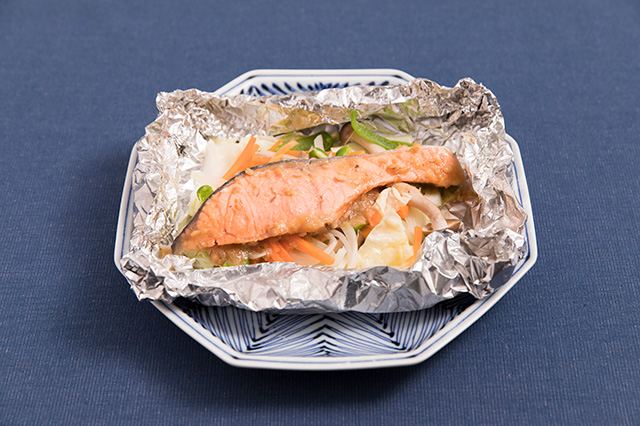
| Prefecture | Hokkaido (北海道) |
|---|---|
| Region | Hokkaido |
| Japanese name | 鮭のチャンチャン焼き(さけのちゃんちゃんやき) |
| Reading | Sakenochanchan'yaki |
| Home area | Stone - Hunting Land |
| Main ingredients | I'm going to have to do something about it. |
History and Origins
The "Chang Chan-Change" is a dish that is steamed and seasoned with sugars from the cherry and the early vegetables from autumn through winter. A fishing town in a stone - hunting area is said to have originated, but now it has become well known throughout the country, and it has been selected by "The Stone Cauldron" and "Zingican" for "rural villages" and "the Ministry of Agriculture, Forestry and Fisheries for native food." The names "Chang-Chang-Bung" come from various sources. In the stone market, it is reported that in the early days of the Shogun, fishermen on board the sakes that they caught in the boat were roasted and eaten by iron from drums. The history of the Hokkaido quark is old and used to be captured by the people of Ivan as a valuable source of food. Even today, the fish catch of a camel is proud of its national top, and in Hokkaido, there are many native dishes with them.
When It Is Eaten
Although it's cooked in the home from the fall to winter, mainly in the fall and winter, it's now known for the whole year. It's a popular dish from a wide range of generations, since it's easy to cook, but it's a delicious meal, and it's a luxury table, as well as a nutritious vegetable together.
How It Is Eaten
Put butter on salmon and seasonal vegetables and boil them down together, taste them with sugar, sugar, garlic, and wine. The original "Chang-Chang-Change" uses three-sized pumpkins, but you can use cut-and-cut chopsticks to make them easy at home. Although cooking is traditionally done with iron plates, today it is usually cooked with hot plates and fried bread. Many people are burned to the stake, and many younger generations prefer to wear mayonnaise at the end.
Recipe — Serves 1
Ingredients
- 50 g( to taste ) fresh salmon
- a pinch salt
- a pinch pepper
- Mix: 1/2 tbsp miso
- Mix: a pinch sugar
- Mix: a pinch mirin
- Mix: a pinch sake
- 30 g cabbage
- 15 g onion
- 3 g carrot
- 10 g shimeji mushrooms
- 5 g bell pepper
- 2 g butter
Method
- The salmon shake salt and pepper.
- The cabbage is cut in thin pieces and the cucumber is cut in slices. Carrots will be cut, and Peiman will be cut a little thick. I'll keep the hammer on the stone and loose it.
- Add aluminum foil, cabbage, daisy, carrots, peppers, and so on and so on and so on and so on and so on and so on. Put butter on top and close the foil.
- We put water in the frying pan, put three in it, and then steam it.
Dish data: Ministry of Agriculture, Forestry and Fisheries (MAFF), “Uchi no Kyodo Ryori” (Our Regional Cuisines) database, used under the Public Data License (PDL1.0); translated and adapted from the Japanese original.