Seisaizuke 青菜漬
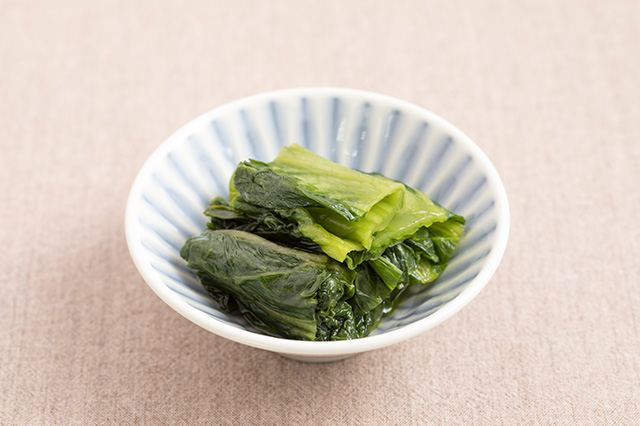
| Prefecture | Yamagata (山形県) |
|---|---|
| Region | Tohoku |
| Japanese name | 青菜漬(せいさいづけ) |
| Reading | Seisaizuke |
| Home area | All within the province. |
| Main ingredients | I'm not sure if it's possible to do that. |
History and Origins
Yamagata Prefecture. A "Azu" is a vegetable made from a type of vegetable, and is one of the products that represents Yamagata Prefecture. Abeaki is a species that is said to have come from China's main plant in the year 1910, and Yamagata Prefecture in the year 1841. The result was that the quality was better than the traditional vegetable vegetables, such as the vegetable garden, and so it turned out to be better than that of the vegetable garden. From the beginning it became possible to harvest, entered the Shoichi, and the cultivated area expanded from the village area to the periphery. A mountain green berry is characterized by a large leafy and meaty stem with 500 grams per share, and between 70 and 80 centimeters in size. It's got a shiny tooth and a particular bitter taste. The "Abbes" is a diet developed mainly during wintertime, and the mountain greens are light and sunny, and once soaked in salt, they are soaked in water, and then they are soaked in clay, which is made of salt, oil, silica, and cascao. Harvestings are in the late October to mid-11th, and once they're sun dried, and the landscapes that dry mountain vegetables in the backyards and in the kitchens of the house are also a first-winning musical poem.
When It Is Eaten
The harvest of the mountain green beets is in late October and mid-11. The "Azu" has been passed on by the family by secret taste as a taste of mountainlike behavior, and in the past, it was soaked in large bowls and eaten early in the spring. It's an essential dish for New Year's. Even though families that still grow mountain greens produce "Aquarium" in their homes, they often buy it at supermarkets and supermarkets.
How It Is Eaten
Aoki is characterized by its distinctive bitter taste and shanty taste, and it can be eaten or even served as a cup of tea if it fits in with a cooked white meal. There is also a traditional dish called "singing" that has been wrapped around a round bowl of flavored rice and baked to the point where it can be burned lightly in the fire net. Also, the green plant, which has a slightly sour flavor, is cooked and eaten in some places in the spring.
Recipe
Ingredients
- 1 kg leafy greens
- 40 g(4%) salt
- water (water), to taste
- 2 [下漬け] 重石 青菜の重量の
- 30 ml soy sauce
- 40 g sugar
- 30 ml sake
- 30 ml shochu
Method
- I'll dry green vegetables after washing them and until they are swollen.
- Place the green vegetables on a table and place them in a bowl, and then dip them in pieces and press the lid and place them on a heavy stone.
- I'll have it soaked for about three days, calling for the water to rise quickly. *The water call has to be adjusted because the salt concentration drops when the volume increases.
- Wash the soaked vegetables and drain them thoroughly.
- Heat the ingredients (not a seasoning broth for the book) and cool the fire on the edge of boiling.
- Put the water in the bowl and put the five soups in order to keep the water open. We repeat this pot, we add the broth, we press the lid, and we place it on a heavy stone for about a week. Put the bowl in the cold. )
More About Seisaizuke
I'm sure you'll find it very interesting. Since the green vegetable itself has its own particular flavor. It's a local dish that can be eaten around Yamagata Prefecture.
Cooking.
(also called a green or a mountain green) is a vegetable eaten by a vegetable companion who sows seeds in the falltime and is harvested before snow falls. We harvest them and place them in containers and salt them. Take this out once and salt it, and wrap it in a book with flavored liquid, such as sesame oil, silica, and hawk claws. There is a side to the winter diet, and salt is often soaked in thick eyes. As soon as it is soaked, the leaves remain green and bitter, but in the sun, they bring in the colors of the old Nonozawa and Habu plants.
In the setting, I will cut it up and put it on a plate at a length of about 3 - 5 centimeters. In this case, it may be a matter of flavoring or citrus oil.
We eat with a bowl, or with leaves. Also, old-schooling can be salted out and used as oil or stew.
Snacking is a matter of taking advantage of the garbage from green vegetables when it is passed.
Text adapted and translated from the Japanese Wikipedia article 青菜漬け by its contributors, licensed CC BY-SA 4.0.
Dish data: Ministry of Agriculture, Forestry and Fisheries (MAFF), “Uchi no Kyodo Ryori” (Our Regional Cuisines) database, used under the Public Data License (PDL1.0); translated and adapted from the Japanese original.