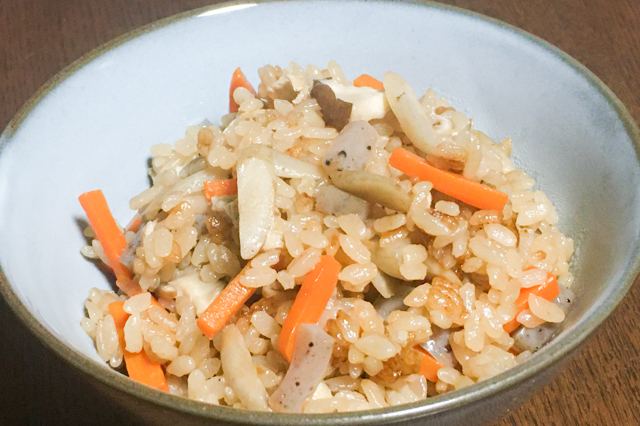
Shoi Meshi しょいめし
| Prefecture | Shiga (滋賀県) |
|---|---|
| Region | Kinki |
| Japanese name | しょいめし |
| Home area | Takashima City, New York City. |
| Main ingredients | I'm going to have to do something about it. |
History and Origins
"Knitting" is a traditional dish prepared with soy sauce and spread in the Shinnami district of Takashima. It's been made in an old-fashioned way, called "Cooking Methods" and "Souring Methods." This is believed to come from a god named "Sun-Hung-Hung-Hung-Hung-a-Hung-Hung" that covers and cleanses by boiling water. Because "Knocking" was eaten during the festival, they are said to have been named by the word "sit" in "sit." There is also the theory that the "mere shaker" came to be called the accent.
When It Is Eaten
Although it has been eaten as a festival meal, now it is widely known as local soup and can be eaten throughout the year.
How It Is Eaten
The rice is cooked in boiling water again. Many families now make it in a normal way by making tools and rice together.
Recipe — Serves 4
Ingredients
- 2 × 180 ml(290 g) rice
- 300 ml dashi stock
- 35 ml dark soy sauce
- 30 ml sake
- 40 g carrot
- 40 g burdock root
- 80 g konnyaku
- 10 g dried shiitake mushrooms
- 30 g(1) aburaage (fried tofu pouch)
Method
- After washing rice, after I had to do it, I put rice in rice bowls, soup, steam, wine, and water together.
- The sponges wash, peel, and then let go to the water, after a break, and then send them home.
- I will cut the dried grain back into a thousand slices, cut the oil into a thousand pieces, and then turn it into a carrot and a short book, two centimeters long.
- I put the cutting tools on top of the rice and cook them.
- I'm careful because I'm sensitive. It's good enough to have a little boil.
- When you're cooked, it's steamed, it's loosened, and it's mixed.
Dish data: Ministry of Agriculture, Forestry and Fisheries (MAFF), “Uchi no Kyodo Ryori” (Our Regional Cuisines) database, used under the Public Data License (PDL1.0); translated and adapted from the Japanese original.