Home / Tottori / Soramamenokofuki
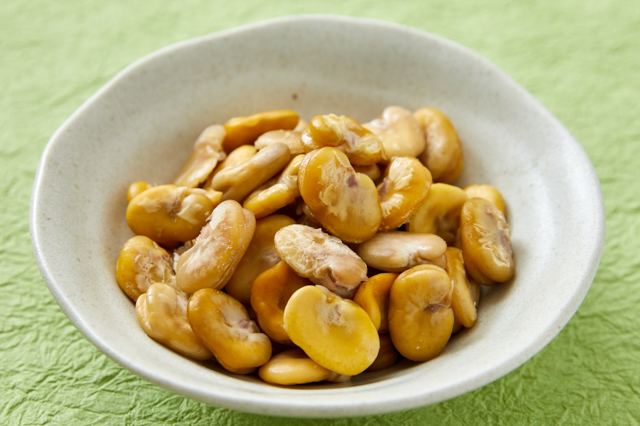
Soramamenokofuki そら豆の粉吹き
| Prefecture | Tottori (鳥取県) |
|---|---|
| Region | Chugoku |
| Japanese name | そら豆の粉吹き(そらまめのこふき) |
| Reading | Soramamenokofuki |
| Home area | Central, Eastern |
| Main ingredients | Dried bean |
History and Origins
Tottori Prefecture, mixed beans, centered around the east. The heavy, sweet bean. It's a practical use to dry thoroughly and to harvest before they are fully ripe, but "Transt beans dust" uses seeds in the field. Soy sauce is the first summer from April to June. It's said that freshness slows very quickly and that in three days the flavor will be greatly reduced. So dry storage is a good way to keep them long and delicious. The method is simply simple, to remove the raw beans from the black and ripe condensation, and use the raw beans to dry the sun. Drying makes it possible to save for several months. A simple dish made of dried bean, but if you simply dip it in water and boil it, you will taste the taste of a mustard with a lump that is different from raw mustard.
When It Is Eaten
It is now eaten as a special dish when people gather together. By using dried bean, you can cook at any time of the year.
How It Is Eaten
We dip dried bean in water and then boil it with plenty of water and soda. We peel it, taste it, and then we boil it again until it becomes the hardness we like. Instead of sugar, you can enjoy honey, garlic, soy sauce and the softness of mustard beans. Even if it's just one of the lunches, it's good to mix in rice or mix with a small potato and make it a salad style.
Recipe
Ingredients
- 1 kg dried broad beans
- water, to taste
- sugar, to taste
- a pinch salt
- a pinch baking soda (baking powder)
Method
- The dried bean is soaked in water and returned.
- I'll boil with a bowl of mustard beans and plenty of water and soda.
- When you boil it up, peel it.
- Put sugar in one bean with skin and cook until it becomes the kind of hardness you like.
Dish data: Ministry of Agriculture, Forestry and Fisheries (MAFF), “Uchi no Kyodo Ryori” (Our Regional Cuisines) database, used under the Public Data License (PDL1.0); translated and adapted from the Japanese original.