Home / Kyoto / Takenokotofuki Namabushinotaitan
Takenokotofuki Namabushinotaitan たけのことふき・生節の炊いたん
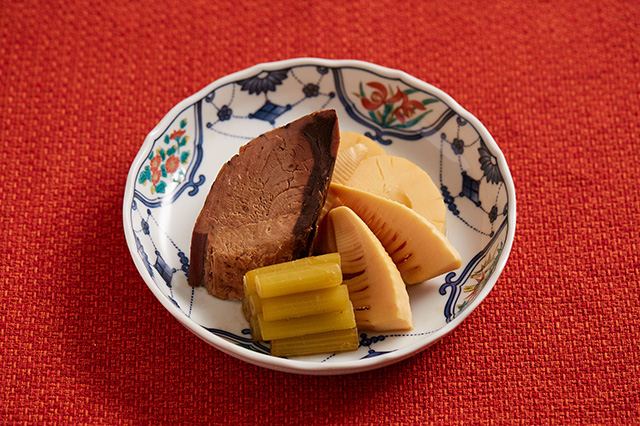
| Prefecture | Kyoto (京都府) |
|---|---|
| Region | Kinki |
| Japanese name | たけのことふき・生節の炊いたん(たけのことふき・なまぶしのたいたん) |
| Reading | Takenokotofuki Namabushinotaitan |
| Home area | Nakatami, Post-Castia |
| Main ingredients | It's called the "Sun of the World." |
History and Origins
The Kyoto-yx is considered to be of special quality nationwide. It is said that Kyoto was introduced by the Emperor of Japan during his time. For one thing, it was believed that the founders of the Kashiji Sakura University in Nagaoka, Japan, had brought back the Takugi from China and spread it to Kansai. Tokyo City is famous as this great place of origin. The area's core has adopted its own method of growing "Kyoto-form soft growing." By the beginning of April, I was selected by my parents and watched as I grew up in the world. And the harvest will be harvested early in March. It is characteristic of the use of carpets, carpets, soilings and so forth in a series of stages, and it is kept in good hands throughout the year. Also, the West Mountain Mountains in the west of the region are high in bamboo and acid clay. Because the water is good and sunny, it's a suitable environment for growing mushrooms. The "Foundness of Life" is a shame if it's Kyoto, away from the sea. The word "emergence" is a product prepared with a heat process such as steaming, boiling, and boiling after the raw casserole. If you repeat the process over and over again, it'll make a big mess. The name "genuinely called " in eastern Japan" is simply different from the name, and it points to the same craft. The casserole is often used when taking the juice, but in raw bars, it is used to loosen the raw material itself and serve various dishes. This stage of the burn is good because it coincides with the time of the distribution of the living section. It's also just a soft season.
When It Is Eaten
In spring, I'll be home to my gregarious family routine. Once upon a time, it was said that the best farmer used to be busy digging his way through the woods, making this dish ready whenever he wanted, and always had his soap soaked in water and prepared it in a state of excretion.
How It Is Eaten
Put soup and sugar, wine and soy sauce in the pot. When you get up, add raw sauce and boil. If you boil for a while, add a boiling dish. If you include the soup for a while, you will eat it as it is. Too much boiling makes the color worse, but its flavor is good and delicious.
Recipe — Serves 4
Ingredients
- 250 g boiled bamboo shoot
- 250 g butterbur
- 4 slices life Sections
- Mix: 3 tbsp sugar
- Mix: 3 tbsp sake
- Mix: 5 tbsp soy sauce
- Mix: 2 tbsp mirin
- 2 cups dashi stock (kelp (konbu))
Method
- The wipes are peeled, cut to about four centimeters, and boiled until they are soft. If you boil it in rice or rice juice, it will soften the muss fibers and make them easier to crack.
- I'll keep the dust dry and put it in cold water for more than two hours.
- Soup and A in a pot, and if they boil up, add raw sauce and cook.
- If you boil it for a while and taste it on the platypus, you'll put in a boil and include it.
Dish data: Ministry of Agriculture, Forestry and Fisheries (MAFF), “Uchi no Kyodo Ryori” (Our Regional Cuisines) database, used under the Public Data License (PDL1.0); translated and adapted from the Japanese original.