Teppai てっぱい
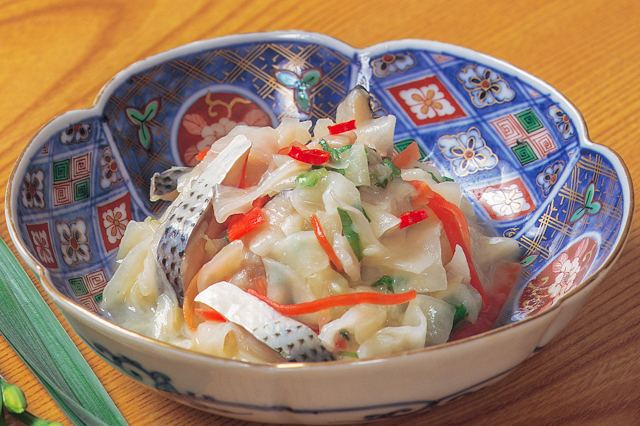
| Prefecture | Kagawa (香川県) |
|---|---|
| Region | Shikoku |
| Japanese name | てっぱい |
| Home area | All within the province. |
| Main ingredients | I'm going to show you some of the things that I've been working on. |
History and Origins
Funa, the fresh water fish of the pond, was called a gun in order to stand in the glorious plains. The powdered steel with a white sauce of three slices, chopped, salted, salted, and salted, with a white tin of praise, is a season of praise that has been prized for being called tits and wine bowls and bowls. In Kagawa Prefecture, where rainfall is low, the main use of ponds for agricultural water until recently. The number of ponds in the province is more than 10,000, and the density of the ponds is Kagawa Prefecture. So when the pond is home to funas, and when it is over in the fall and winter, when it is over, it is time for it to be free from water, it is in its egg season, it is fat, it is fat, and it has fewer aromas of fresh water fish. It has long been called a cold bana and has been a valuable protein source in the diet of people in remote mountain villages and rural areas. It's a dish that makes the best taste of this cold bottle. It's a breast. Funa is in the winter. The longer you are named "The Cold Buna," the fat will be covered with fewer odors, and it will be delicious. In the province, funas are still growing in ponds for about 300 reasons. The country is proud of its top class production, and not only is it served in the province as a local food but it's also shipped out of the province. There is a theory that the word "tweet" comes from the word "sniff" because of the fact that it called Funa a gun.
When It Is Eaten
For example, in winter when men drain the pond, they use a live fanna, which used to be essential to their winter guests as a bowl of wine at Ise and at various places.
How It Is Eaten
I'm going to chop three of them into strips. After the salt is poured, it is soaked in vinegar. You can make a small volume cut into salt and add a fine, rich pepper that is cut into a white pepper. Sometimes I use soy sauce instead of vinegar. It can also mix the skin of a sashimi into a piece of paper, and the scent of the succulent sashimi can enhance the flavor.
Recipe — Serves 5
Ingredients
- 1 コノシロ
- 600 g daikon radish
- 1 chili pepper
- a pinch thin green onion
- a pinch salt
- Mix: 100 g white miso
- Mix: 60 g sugar
- Mix: 3 tbsp vinegar
Method
- Put the fish down on three, grab the stomachbones, make a fine slice of half an inch wide, shake a little salt on it, and put it in about a half an hour.
- If you take the skin and cut it in a short volume of four-inch length and half an inch, shake the salt and leave it ten minutes, you'll water well.
- The peppers are cut out of the seeds and finely cut into small bites.
- Put white pepper and sugar in the bowl and add a little vinegar to the mixture.
- Put 2 and 3 in and mix them together and add 1 to the end.
- Since the alkaline is sweet in itself, the amount of sugar is controlled according to taste.
Dish data: Ministry of Agriculture, Forestry and Fisheries (MAFF), “Uchi no Kyodo Ryori” (Our Regional Cuisines) database, used under the Public Data License (PDL1.0); translated and adapted from the Japanese original.