Home / Yamagata / Ukoginokiriae
Ukoginokiriae うこぎの切り和え
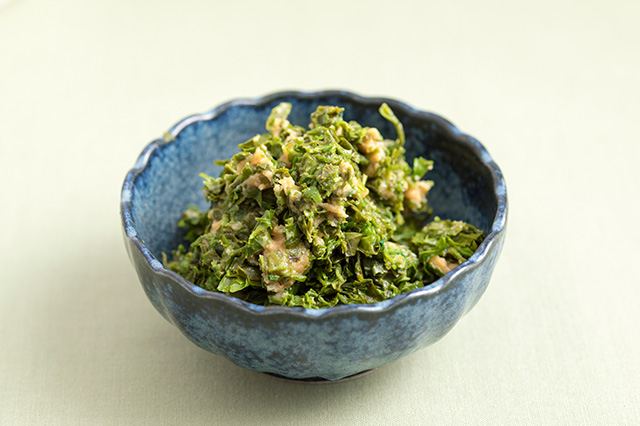
| Prefecture | Yamagata (山形県) |
|---|---|
| Region | Tohoku |
| Japanese name | うこぎの切り和え(うこぎのきりあえ) |
| Reading | Ukoginokiriae |
| Home area | I'm going to ask you a question. |
| Main ingredients | It's just a little bit of rice. It's just a little bit of rice. |
History and Origins
The "sing" that can cut the saw finely and taste the sauce is a recipe that has often been prepared in areas where the saw hedges are the most abundant. It is suggested that the saw be planted as a hedge for the house by the U.S. It was also said that from the time of peace, it was also used as an flair for the Chinese and was known as a nourishing food. The seeds that are eaten in the U.S. The saw has its unique flavor and bitterness, and besides the "shoe-screw," there are other ingredients, such as "shoe-shoe" and "shoe-shoe-shoe" and "shoe-shoe-shoe" and "shoe-shoe-shoe" and "shoe-shoe" and "shoe-shoe-s" and "shoe-shoe-s" items that tell spring's visit to the table.
When It Is Eaten
(The best season for saws is when spring sprouts are soft (about May) but the early spring sprouts, when the harvest is cut, and the new sprouts come out again, so you can eat until fall. In the local community, I sometimes have to pick out as much as I can eat from a neighbor's hedge.
How It Is Eaten
The bitter, cool, and unique flavor of the saws appeals to many people. It describes the taste of the saw in a local dialect as "creep." If you boil the cucumber and put it in water, you can eat it well. Put a roast on the rice saw and eat the finely carved ones. It's eaten as if it were a bowl of rice, or as if it were a bowl of rice, or as a bowl of wine.
Recipe — Serves 2
Ingredients
- 50 g ukogi greens
- 15 g miso
- 5 g bonito flakes
Method
- Cook the pot with water, boil the saw, and quickly take the cool water to prevent the color from getting worse.
- Mix the taste buds with pics, mix them well, and stick them on thin wooden surface. While carefully trying not to burn, we rub the surface of the taste out, make a fragrance, and remove it from the wood.
- The saw is boiled and tightly cut and placed on a board and the cooking pot is placed on top of it. From the end of the knife, he cuts it fine and mixs the saws and tastes.
Dish data: Ministry of Agriculture, Forestry and Fisheries (MAFF), “Uchi no Kyodo Ryori” (Our Regional Cuisines) database, used under the Public Data License (PDL1.0); translated and adapted from the Japanese original.